







































What Agricultural Commodity Trading Is: Examples & Strategies

Table of Contents
- Introduction
- What Is an Agricultural Commodity?
- Why Agricultural Commodities Matter for Traders and Investors
- Core Concepts
- Step-by-Step Guide to Trading Ag-Commodities
- Practical Tips for Better Results
- Common Mistakes to Avoid
- Frequently Asked Questions
- Conclusion
Introduction
A sudden frost in Brazil or a prolonged drought across the American Midwest can send shockwaves through global markets in a matter of hours. For a coffee roaster in Europe or a corn farmer in Iowa, these weather events are not merely news items—they are direct threats to the bottom line. This inherent volatility is precisely what creates a window of opportunity for the disciplined financial trader.
Many investors struggle to grasp how agricultural commodity assets function because these markets operate on biological timelines rather than the quarterly earnings reports that drive the S&P 500. Unlike a technology firm that can scale operations rapidly, a bushel of wheat cannot be produced faster simply because global demand spikes. This structural lag between supply and demand creates the aggressive price swings that professional traders exploit to generate alpha.
This guide breaks down the mechanics of agricultural markets, the critical distinction between physical and paper trading, and the specific strategies used to manage the high volatility of crop cycles. By moving from basic definitions to the execution of professional hedging and speculative strategies, traders can better position themselves to capitalize on the unique rhythms of the ag-sector.
What Is an Agricultural Commodity?
An agricultural commodity is a raw material derived from plant or animal sources that is primary, interchangeable with other items of the same type, and traded on a global scale. In professional financial terms, these are fungible assets. This means a grade-standardized bushel of corn from a farm in Nebraska is treated as identical to a bushel from a farm in Illinois when traded on a centralized exchange.
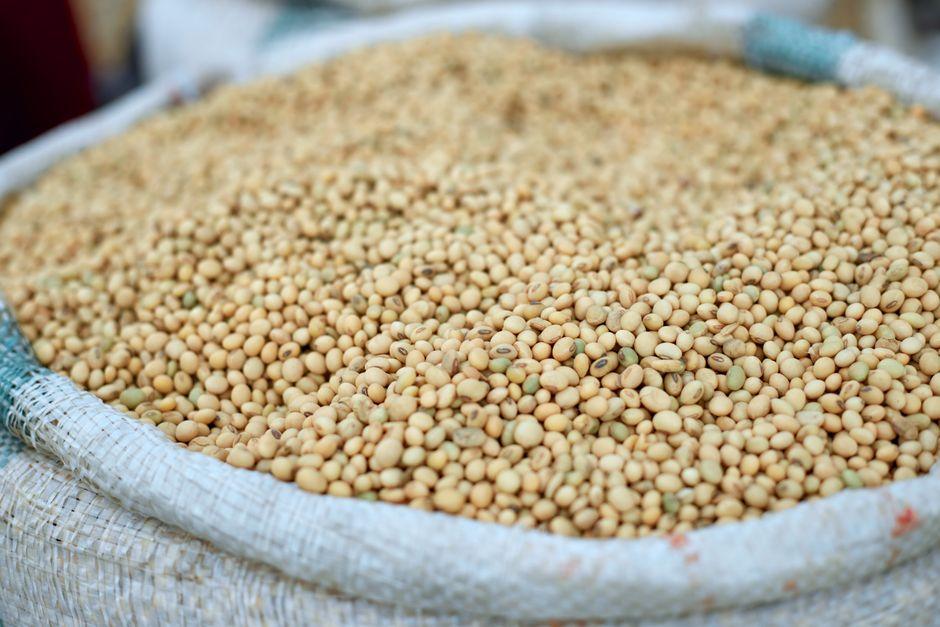
Consider Soybeans as a primary example. A trader does not purchase a specific field of beans or a physical plot of land. Instead, they buy a contract for a specific quantity and quality of soybeans to be delivered at a predetermined date. The commodity is the raw product itself, while the financial instrument used to capture price movement is typically a futures contract. This standardization allows for high liquidity and the ability to enter and exit positions rapidly without needing to inspect the physical grain.
Why Agricultural Commodities Matter for Traders and Investors
Agricultural markets provide a critical diversification tool because they often exhibit low correlation with the Nasdaq or the broader equity markets. While a corporate earnings miss might trigger a sell-off in a specific stock, a crop failure in the Black Sea region will drive wheat prices higher regardless of how the broader equity market is performing. This makes ag-commodities an effective hedge against systemic equity risk.
For producers, these markets serve as a vital survival mechanism. A farmer uses agricultural commodities to lock in a price for their harvest months before the crop is even picked. Without the ability to hedge via futures, a single bumper crop—where an oversupply of harvest hits the market simultaneously—could crash prices and bankrupt an entire region of producers.
For speculators, these markets offer a combination of high volatility and deep liquidity. Because food is a fundamental human necessity, demand is relatively inelastic. When supply drops, prices must rise sharply to ration the remaining stock. This creates the aggressive price spikes that attract momentum traders and macro hedge funds looking to capitalize on supply-side shocks.
Soft vs. Hard Commodities
In the broader commodity world, hard commodities are typically mined or extracted, such as gold, silver, or crude oil. Agricultural commodities are generally categorized as softs. Soft commodities include crops that are grown, such as coffee, cocoa, sugar, and cotton.
The distinction is critical because softs are far more susceptible to weather and biological risks. For instance, a trader speculating on coffee price spikes would closely monitor Brazilian frost reports. If a frost kills coffee trees, the supply is not just reduced for one season; the productive capacity of the land is damaged for years. This creates a volatility profile that differs significantly from a temporary oil supply disruption caused by a geopolitical event.
Futures Contracts and Margin Requirements
The vast majority of traders do not take physical delivery of 5,000 bushels of corn. Instead, they trade futures contracts on exchanges such as the CME Group. A futures contract is a legally binding agreement to buy or sell a specific commodity at a predetermined price at a specified time in the future.
These contracts are traded on margin, meaning the trader only puts up a fraction of the total contract value. While this provides significant leverage, it also amplifies risk. If you are long on corn and the price drops, you may face a margin call, requiring an immediate deposit of additional funds or the forced liquidation of your position. For example, if a trader holds a corn position with a 10% margin and the price drops 5%, they have effectively lost half of their invested capital. This leverage can lead to rapid drawdowns if risk management is not strictly enforced.
The Influence of USDA WASDE Reports
The World Agricultural Supply and Demand Estimates (WASDE) report, issued by the USDA, is the single most important data release for ag-traders. It provides the market’s official view on production, consumption, and ending stocks for major crops.
Market participants often price in expectations before the report is released, leading to a period of anticipation. If the WASDE report shows that corn stocks are lower than the market expected, prices typically spike instantly. A professional trader does not simply look at the number; they analyze the market reaction. If the report is fundamentally bullish but prices fall, it suggests the move was already priced in and a trend reversal may be imminent.
Contango and Backwardation in Ag-Futures
Because agricultural products are perishable and incur costs for storage, the relationship between the current spot price and the future price is rarely flat.
Contango occurs when the future price is higher than the spot price. This is common in stable markets where the cost of storage, insurance, and interest—known as the cost of carry—is added to the future price. A trader buying a long-term ETF that rolls futures contracts in a contango market will experience roll yield loss, as they are forced to sell cheaper expiring contracts to buy more expensive new ones.
Backwardation occurs when the future price is lower than the spot price. This usually happens during a severe supply shortage. If there is a sudden wheat famine, the spot price skyrockets because immediate demand is desperate. The future price remains lower because the market expects the next harvest to resolve the shortage. Traders operating in a backwardated market benefit from a positive roll yield.
Step-by-Step Guide to Trading Ag-Commodities
Step 1: Identify the Market Regime
Before entering a trade, you must determine if the market is being driven by a seasonal cycle or a fundamental shock. Agricultural commodities follow strict biological calendars. For example, the planting season and harvest season in the US Midwest create predictable price patterns. You must decide if you are trading the seasonal trend or reacting to an anomaly, such as a sudden pest infestation or a geopolitical trade war. Understanding the regime prevents a trader from fighting a seasonal trend that is backed by biological reality.
Step 2: Analyze the Supply-Demand Balance
Look beyond the price chart and examine the Stocks-to-Use ratio. This metric indicates how many months of consumption are available in current reserves. A low stocks-to-use ratio means the market is tight, and any small supply disruption will likely lead to a massive price spike. Conversely, if the ratio is high, the market is flush, and prices are likely to remain suppressed unless a massive demand shock occurs. This fundamental analysis provides the context for any technical setup.
Step 3: Select the Instrument and Size the Position
Decide between futures, options, or ETFs. Futures offer the most precision but carry the highest risk due to leverage. For those new to the space, a commodity ETF may be a safer entry point, though it lacks the precision of a specific contract month and introduces roll risk.
Once the instrument is chosen, calculate your position size based on the tick value. In ag-futures, a one-cent move in corn represents a specific dollar amount per contract. To avoid catastrophic losses, you should never risk more than 1-2% of your total account equity on a single trade. The volatility in ag-markets can lead to rapid drawdowns that can wipe out an under-capitalized account.
Step 4: Set a Hard Stop and Exit Strategy
Because ag-commodities are prone to limit moves—where the price moves so far and so fast that trading is temporarily halted by the exchange—a mental stop is useless. You must use a hard stop-loss order. Determine your exit based on either a technical level, such as a 200-day moving average, or a fundamental event, such as the completion of the harvest. Having a predefined exit strategy removes the emotional component from the trade during periods of extreme volatility.
Practical Tips for Better Results
- Watch the US Dollar. Most agricultural commodities are priced in USD. A strengthening dollar typically makes US exports more expensive for foreign buyers, which can put downward pressure on crop prices.
- Monitor the Basis. The basis is the difference between the local cash price and the futures price. If the basis is widening, it indicates local supply gluts or transportation bottlenecks, regardless of what the global futures market is doing.
- Follow the Weather Map, not the Weather Report. Professional traders analyze soil moisture levels and precipitation patterns weeks before the actual crop is affected. By the time the news reports a drought, the price move is often already over.
- Diversify across Correlated and Uncorrelated crops. Corn and Soybeans often move together because they compete for the same acreage in the US. If a farmer plants more corn, they plant less soy. Trading both in the same direction increases your concentrated risk.
- Use Calendar Spreads. Instead of betting on the price going up or down, bet on the price difference between two different delivery months. This reduces your exposure to overall market volatility and focuses the trade on the timing of supply and demand.
Common Mistakes to Avoid
- Over-leveraging on Margin. Using maximum leverage in a market that can gap 5% overnight is a recipe for a total account wipeout. Margin is a tool for capital efficiency, not a way to gamble on direction.
- Ignoring the Harvest Pressure. Many beginners buy crops in late summer, forgetting that the harvest in autumn floods the market with new supply. This historically pushes prices down, creating a trap for those who buy at the peak of the growing season.
- Trading the Noise of Daily News. A single rainstorm in one state does not change the global supply balance. Focus on the aggregate data from the USDA and major exporters rather than headline-driven volatility.
- Confusing ETFs with Physical Ownership. Holding an ag-ETF does not mean you own corn; you own a financial product that tracks a futures index. This introduces roll risk that can erode profits even if the spot price remains stable.
- Neglecting Geopolitical Risk. A sudden export ban from a major producer like Russia or Ukraine can invalidate all technical analysis instantly. Always keep an eye on trade policy and international relations.
How do I start trading agricultural commodities?
Start by opening a brokerage account that supports futures trading or offers commodity ETFs. Before risking capital, study the contract specifications for a liquid asset like Corn or Wheat to understand the tick value and margin requirements. Use a demo account to practice timing your entries around USDA report releases to get a feel for how the market reacts to data.
What are the most liquid agricultural commodities to trade?
The most liquid options are typically Corn, Soybeans, Wheat, and Coffee. These are traded in massive volumes on the CME Group and ICE exchanges, ensuring that you can enter and exit positions without significant slippage, which is crucial for maintaining a tight risk management profile.
Why do agricultural prices fluctuate so violently?
Volatility is driven by the inelastic nature of food demand and the unpredictability of weather. Since people must eat regardless of price, a small drop in supply leads to a disproportionately large increase in price. This is further compounded by the high leverage used in futures markets, which amplifies every price movement.
When is the best time to buy crop futures?
Historically, many traders look for entries during the off-season or before the planting window when prices may be lower. However, the most effective entry is when fundamental analysis shows a low stocks-to-use ratio and technical indicators suggest a trend reversal. Timing is less about the calendar and more about the intersection of supply data and price action.
Can individuals trade agricultural commodities without owning a farm?
Yes. Through the futures and options markets, anyone with a brokerage account can speculate on the price of agricultural goods. You are trading a financial contract, not the physical grain, so no land, silos, or equipment are required to participate in these markets.
Is agricultural trading riskier than stock trading?
In many cases, yes. The combination of high leverage, extreme weather-driven volatility, and the risk of limit moves makes ag-trading more volatile than blue-chip stock trading. Proper position sizing and strict stop-losses are mandatory to survive in these markets.
Conclusion
The core lesson of agricultural commodity trading is that biology dictates the price. While a company can pivot its business model or issue new shares to manage its capital structure, a wheat crop takes a fixed amount of time to grow and is subject to the whims of nature. Success in this market requires a balance of macroeconomic awareness, weather analysis, and disciplined risk management.
Your next step should be to examine the current Stocks-to-Use ratios for a major crop like Corn or Soybeans to determine if the market is currently in a state of surplus or deficit. Understanding the fundamental baseline is the only way to trade with confidence.
Trading agricultural commodities involves significant risk of loss. Leverage can amplify both gains and losses. Never invest capital that you cannot afford to lose, and always consult with a certified financial advisor to ensure your portfolio is balanced against the volatility of the commodity markets.
—
This article is for educational purposes only and does not constitute investment advice. Trading and investing carry risk of loss; never invest more than you can afford to lose.
Editorial Byline: Senior Financial Correspondent
Last reviewed: August 2026