











































Trading in Chile Explained: Market Mechanics and Risks

Table of Contents
- Introduction
- What Is Trading in Chile
- Why Trading in Chile Matters for Traders and Investors
- Core Concepts
- Step-by-Step Guide
- Practical Tips for Better Results
- Common Mistakes to Avoid
- Frequently Asked Questions
- Conclusion
Introduction
Copper prices surge on supply constraints in South America, and the Chilean peso strengthens against the dollar within hours. Investors watching the Comex copper futures curve often miss the direct equity exposure available in Santiago. You might see the macro trend but lack the mechanism to capture it without excessive currency drag. This gap between observation and execution defines the challenge of trading chile for foreign participants.
Accessing this market requires more than a standard brokerage account. You face specific regulatory hurdles, settlement cycles, and liquidity constraints that differ from the NYSE or Nasdaq. The Comisión para el Mercado Financiero (CMF) oversees these activities with strict compliance requirements that differ from the SEC framework. Ignoring these structural details can turn a profitable thesis into a loss due to FX slippage or settlement failures.
This guide explains how the mechanism works, when it helps, and where it tends to fail. We will cover the IPSA Index liquidity profile, the RUEI registration process for foreigners, and practical methods for hedging CLP exposure. You will learn the operational steps required to execute trades and the specific risks that define this emerging market. Understanding the friction involved is just as critical as identifying the opportunity. Foreign capital flows into Latin America often stall due to administrative bottlenecks rather than poor asset selection. Preparing for these operational realities ensures your strategy remains intact from inception to exit.
What Is Trading in Chile
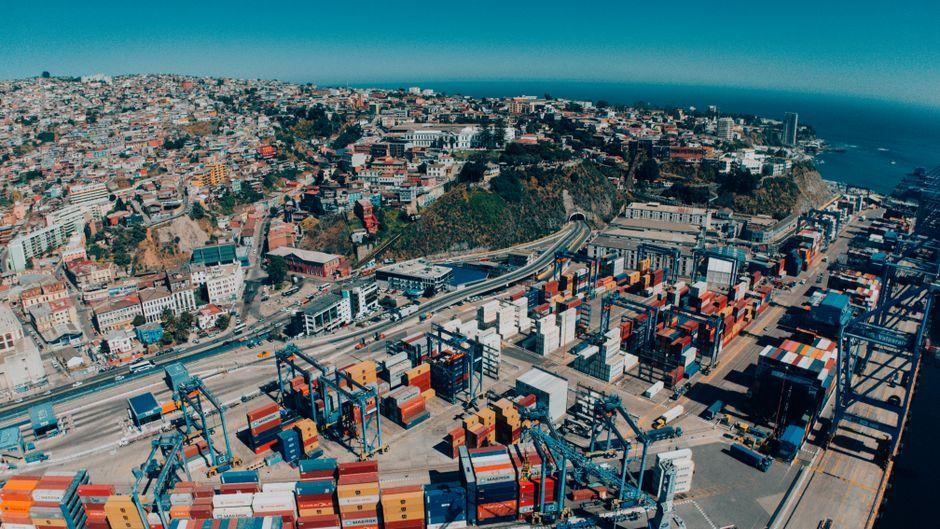
Trading in Chile refers to the buying and selling of financial instruments listed on the Bolsa de Comercio de Santiago (BCS). This includes equities, bonds, ETFs, and derivatives regulated under Chilean law. The market operates on local time zones and settles in Chilean pesos, requiring currency conversion for most international investors.
Consider a US investor wanting exposure to Chilean lithium production. They could buy an ADR listed in New York, which trades in USD during US hours. Alternatively, they could open a local account and buy the primary listing in Santiago. The local share offers direct access to liquidity during Santiago hours and avoids the ADR premium or discount, but it introduces CLP currency risk and complex tax reporting.
The primary market in Santiago often contains a broader universe of stocks than the ADR market. Many mid-cap companies do not have American Depositary Receipts listed in New York. Accessing the local exchange opens up sectors beyond mining, including retail banking, utilities, and consumer goods. This breadth allows for more precise sector rotation strategies. Yet, the trade-off involves navigating a different legal jurisdiction. The rights of shareholders are protected under Chilean corporate law, which may differ from Delaware statutes familiar to US investors. Understanding these governance structures is part of the due diligence process before committing capital.
Why Trading in Chile Matters for Traders and Investors
Market participants use this exposure to diversify beyond developed market correlations. Chile offers direct access to commodity cycles, particularly copper and lithium, which drive a significant portion of the national GDP. A portfolio heavy in US tech stocks may benefit from the low correlation between semiconductor demand and copper supply dynamics.
Ignoring this market means missing a key component of the Latin American economic block. But entering without understanding the CMF regulatory compliance framework invites operational risk. Foreigners must register to repatriate funds, and failure to do so can trap capital locally. The benefit is diversification and commodity alpha; the cost is higher friction in execution and compliance.
Strategic allocation to this region can reduce overall portfolio volatility. When US equities face headwinds from interest rate hikes, commodity exporters often maintain cash flow stability. This negative correlation provides a hedge during inflationary periods. Institutional investors often view Chile as a gateway to Latin American exposure due to its relative political stability and transparent regulatory environment. Retail traders seeking similar benefits must replicate this institutional rigor. Without proper structure, the costs of entry can outweigh the diversification benefits.
IPSA Index Liquidity Mechanisms
The IPSA Index tracks the most traded stocks on the Santiago Stock Exchange, but liquidity is concentrated in a handful of names. Banks, utilities, and retail conglomerates dominate the volume, while smaller caps suffer from wide bid-ask spreads. You will notice that during local lunch hours or holidays, order books thin out significantly, increasing slippage for market orders.
For example, trading a large block of shares in a top-tier bank like Banco de Chile requires careful order slicing. A market order might clear the top three levels of the book, moving the price against you before execution completes. Institutional traders often use algorithmic execution tailored to local liquidity profiles to minimize impact. Retail investors should stick to limit orders and avoid trading during low-volume windows to preserve capital.
Liquidity dry-ups can occur unexpectedly during local political events. A sudden announcement regarding mining taxes can cause volume to spike while bid sizes collapse. This environment favors patient capital over aggressive momentum strategies. Traders must monitor the depth of market data provided by their broker. If the spread between the best bid and ask exceeds one percent, the cost of entry becomes prohibitive for short-term positions. Understanding these microstructure details prevents unnecessary erosion of returns.
CMF Regulatory Compliance Framework
The CMF regulates all securities activities and requires foreign investors to register for tax and capital repatriation purposes. This process involves obtaining a tax ID and registering under the RUEI (Registro Único de Extranjeros Inversionistas). Without this registration, you cannot legally repatriate profits or capital out of Chile without facing punitive withholding taxes.
Imagine a European fund that generates gains on Chilean government bonds. If they traded without RUEI registration, the local broker might withhold tax at the highest marginal rate upon withdrawal. With proper registration, they benefit from tax treaties that reduce withholding on dividends and interest. The mechanism protects the state’s tax base while providing a clear path for foreign capital entry and exit. Compliance is not optional; it is the gateway to accessing the market safely.
The registration process can take several weeks to complete. Delays often occur if documentation is not apostilled or translated correctly. Investors should initiate this process before funding the account to avoid idle cash drag. The CMF maintains a public registry of authorized entities, allowing investors to verify broker credentials. Operating outside this framework exposes capital to legal uncertainty. Regulatory adherence ensures that dispute resolution mechanisms remain available should issues arise with the counterparty.
CLP USD Exchange Rate Hedging
Currency volatility is a primary risk when holding assets denominated in Chilean pesos. The CLP floats freely and reacts sharply to copper prices, US dollar strength, and local political developments. A 10 percent gain in equity value can be erased by a 10 percent depreciation in the peso against the dollar during the holding period.
Professional investors often use forward contracts to hedge this exposure. For example, an investor purchasing Codelco bonds through a local Santiago broker versus international ADRs faces different currency profiles. The local bonds pay in CLP. The investor can enter a forward contract to sell CLP and buy USD at a fixed rate on the maturity date. This locks in the exchange rate, isolating the credit return from the currency move. Hedging costs depend on the interest rate differential between the Federal Reserve and the Central Bank of Chile.
Unhedged positions introduce an additional layer of beta to the portfolio. During periods of global risk aversion, emerging market currencies often depreciate simultaneously with equity drawdowns. This correlation amplifies losses. Hedging removes this variable, allowing the investor to focus on asset selection. The cost of carry for these hedges fluctuates with monetary policy divergence. When the Federal Reserve raises rates while the Central Bank of Chile holds steady, the cost of hedging CLP increases. Investors must factor this expense into their expected return calculations.
Step 1 — Broker Selection and Account Setup
Choose between a local Chilean broker or an international broker with local access. Local brokers offer direct market access and better support for RUEI registration but may have higher minimums and English language barriers. International brokers offer familiar interfaces but often route orders through correspondents, adding layers of fees and latency.
You must submit identity verification documents, proof of address, and tax residency forms. For local accounts, expect a more rigorous due diligence process aligned with CMF anti-money laundering rules. Once approved, you will receive credentials for the broker’s trading platform. Ensure the platform supports real-time data from the Bolsa de Comercio de Santiago, as delayed data can lead to poor execution prices.
Verification processes vary significantly between institutions. Some require in-person identification or notarized documents sent via courier. Digital onboarding is becoming more common but remains limited for foreign entities. Check the fee schedule for custody fees, which are charged annually on held assets. These ongoing costs can compound over time and reduce net performance. Selecting a broker with a strong operational track record reduces the risk of administrative errors during trade processing.
Step 2 — Account Funding and Currency Conversion
Transfer capital in USD or your home currency to the broker’s custodian bank. The broker will convert these funds into CLP at the prevailing spot rate plus a spread. This spread varies by broker and transaction size, directly impacting your entry cost. Large transfers should be negotiated to secure a tighter FX rate.
Monitor the conversion timing closely. Executing the trade before the currency conversion settles can create a mismatch in available buying power. Some brokers allow you to hold USD balances and convert only when executing a trade, giving you more control over the FX timing. Keep records of every conversion transaction for tax reporting in both Chile and your home jurisdiction.
Wire transfer fees can be substantial for smaller accounts. Intermediary banks may deduct charges along the routing path, reducing the final amount received. Confirm the SWIFT code and beneficiary details precisely to avoid returned payments. Returned funds often incur additional penalties and delay market entry. Maintaining a buffer in the funding account ensures that all fees are covered without reducing the intended investment principal.
Step 3 — Order Execution and Settlement
Place orders using limit prices to control slippage, especially in mid-cap stocks. The market operates on a T+2 settlement cycle, meaning trade date plus two business days. You must ensure funds are available in the account by the settlement date to avoid fails and penalties.
Confirm the trade details through the broker’s confirmation note, which serves as your legal record. Check the ticker symbol carefully, as some companies have multiple series of shares with different voting rights. After settlement, the securities appear in your custody account. Regularly reconcile your holdings with the broker’s statements to ensure accuracy and detect any unauthorized activity early.
Settlement failures can result in mandatory buy-ins or cash penalties. Ensuring liquidity is available on the settlement date is critical. Holiday schedules differ between the US and Chile, which can extend settlement times unexpectedly. Plan transfers to account for these non-trading days. Failure to manage settlement logistics can lead to unintended margin calls or forced liquidation of other assets to cover the shortfall.
Practical Tips for Better Results
- Monitor the Central Bank of Chile interest rate decisions, as they drive CLP volatility and bond yields. Rate hikes often strengthen the peso but may pressure equity valuations due to higher borrowing costs.
- Avoid trading during the first 30 minutes of the local session when spreads are widest due to opening auction volatility. Wait for the market to establish a clear direction before committing capital.
- Verify dividend withholding tax rates under your country’s tax treaty before purchasing income-generating stocks. Treaties can significantly reduce the tax drag on total return strategies.
- Use limit orders exclusively for stocks outside the top ten IPSA constituents to prevent excessive slippage. Market orders in illiquid names can result in fills far away from the last traded price.
- Track copper futures prices as a leading indicator for equity sentiment in mining-heavy portfolios. Correlations between the metal and miner stocks are often strong but can decouple during operational disruptions.
- Maintain a USD cash buffer to manage margin requirements without forced liquidation during FX swings. Currency moves can trigger margin calls even if the underlying asset value remains stable.
- Review the CMF website for regulatory updates that might affect foreign ownership limits in strategic sectors. Changes in law can impact the ability to hold or transfer specific assets.
Common Mistakes to Avoid
- Ignoring currency risk leads to unexpected losses when the CLP depreciates against your home currency. Hedging is essential for preserving capital in volatile FX environments.
- Assuming US market hours apply results in missed opportunities or stale orders during Santiago trading sessions. Align your trading schedule with the local exchange operating hours.
- Overlooking liquidity spreads causes significant cost drag when entering or exiting positions in small-cap stocks. Always check the order book depth before sizing a position.
- Failing to register under RUEI traps capital locally and triggers higher tax withholding on repatriation. Complete all regulatory paperwork before funding the account.
- Chasing copper prices blindly ignores company-specific risks like labor strikes or operational costs. Equity performance does not always match commodity price movements perfectly.
- Neglecting tax reporting in your home country creates compliance issues with the IRS or local tax authorities. Foreign accounts may require specific disclosure forms depending on your residency.
How to trade stocks in Chile as a foreigner?
You must open an account with a licensed broker and register with the CMF under the RUEI system. This registration allows you to repatriate capital and access favorable tax treaty rates. Most international brokers can support this process through their local correspondents. The process requires patience and accurate documentation to avoid delays. Without this status, you are treated as a non-resident without investment protections, limiting your ability to move funds freely across borders.
What is the minimum capital to trade in Chile?
Minimums vary by broker, but local institutions often require higher deposits than US retail platforms. Some brokers may require between 5,000 to 10,000 USD equivalent to open an account. Retail-focused international platforms may have lower thresholds but charge higher commissions per trade. Higher minimums often correlate with better access to direct market liquidity and lower FX spreads. Investors should calculate the break-even point where fees do not consume expected returns.
Why is the Chilean market considered emerging?
Classification depends on liquidity, accessibility, and regulatory framework as defined by index providers like MSCI or FTSE. Chile offers strong regulation but faces liquidity constraints and currency volatility typical of emerging economies. This status affects how global funds allocate capital to the region. Emerging market classification often leads to higher cost of capital for listed firms. It also dictates the weightings in global ETFs, influencing passive flows into the market.
When are dividends paid on chilean stocks?
Dividend schedules vary by company but often occur once or twice a year following annual shareholder meetings. You must check the specific corporate calendar for each issuer as there is no standardized date. Withholding tax is applied at the source before the net dividend reaches your account. Ex-dividend dates are critical for income investors to note, as missing them delays cash flow by a full year. Payment dates can lag the declaration date by several weeks due to administrative processing.
Can I use international brokers for chilean equities?
Yes, many global brokers offer access to the Santiago Stock Exchange through direct market access or ADRs. Direct access provides more stock choices but involves higher complexity and FX conversion. ADRs are simpler but limit your selection to larger companies with US listings. Using an international broker simplifies tax reporting but may increase trading costs. Evaluate the trade-off between convenience and cost efficiency based on your trading frequency.
Is trading income taxed differently in Chile?
Capital gains for foreigners are generally taxed at a flat rate, but specifics depend on your tax residency and treaties. Dividends often face withholding tax that can be credited against your home tax liability. You should consult a tax professional to understand your specific obligations under local law. Double taxation agreements exist between Chile and many major economies to prevent paying tax twice on the same income. Proper documentation is required to claim these treaty benefits effectively.
Conclusion
Success in this market depends on respecting the regulatory framework and managing currency exposure diligently. The opportunity lies in accessing commodity-driven growth without the premium charged on ADRs. Your next step should be contacting a licensed broker to understand their specific requirements for foreign registration.
Remember that emerging markets carry higher volatility and liquidity risk than developed equivalents. Never allocate capital you cannot afford to lose, and always hedge currency risk if your base denomination is not CLP. Trading involves significant risk, and past performance does not guarantee future results. Discipline in execution and compliance is the only way to sustain long-term participation in this jurisdiction.
—
This article is for educational purposes only and does not constitute investment advice. Trading and investing carry risk of loss; never invest more than you can afford to lose.
Last reviewed: August 2026