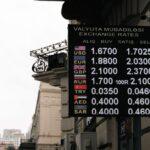
Nikkei 225 Trading Strategy: Yen‑BOE Link for Edge

Table of Contents
- Introduction
- What Is Nikkei 225 Trading?
- Why the Yen‑BOE Connection Matters for Traders and Investors
- Core Concepts
- Step‑by‑Step Guide
- Practical Tips for Better Results
- Common Mistakes to Avoid
- Frequently Asked Questions
- Conclusion
Introduction
When the Bank of England hinted at a surprise rate hike in early March, the JPY/USD pair rallied sharply, and the Nikkei 225 slipped 1.2 % within hours. Traders who had watched the yen‑BOE cross‑currency basis anticipate that move were already positioned, limiting drawdowns while the broader market chased the news.
For many retail and institutional participants, the link between Japanese equities and the British pound feels indirect, buried beneath headlines about U.S. Treasury yields or Chinese demand. Yet the yen’s funding environment—shaped by carry‑trade flows and BOE policy—feeds directly into the cost of holding Nikkei futures, the roll yield of calendar spreads, and the basis risk of JPY‑denominated hedges.
This piece unpacks the mechanism, shows how to embed it in a repeatable trading plan, and flags the risks that can erode the edge. You will walk away with a concrete three‑step framework, real‑world examples, and a checklist to keep the strategy disciplined.What Is Nikkei 225 Trading?
Nikkei 225 trading refers to buying or selling the Japanese equity index—either via spot ETFs, index futures on the CME Group, or options on the Osaka Exchange. The index tracks 225 blue‑chip stocks listed on the Tokyo Stock Exchange, weighted by price rather than market cap.
Example: A trader who expects the index to rise can go long a March Nikkei 225 futures contract at ¥30,000. If the index closes at ¥30,500 on expiry, the contract settles at a 500‑point gain, multiplied by the contract’s multiplier (¥100 per point), delivering a ¥50,000 profit before commissions.
The same contract can be used to hedge a portfolio of Japanese equities, to speculate on short‑term moves, or to capture the term structure of implied volatility that the Osaka Exchange publishes daily.Why the Yen‑BOE Connection Matters for Traders and Investors
The yen is a funding currency for global carry‑trade strategies. When the BOE tightens, the pound typically strengthens against the yen, raising the JPY/USD cross‑currency basis. Higher basis translates into more expensive yen funding, which squeezes long equity positions denominated in yen and can depress the Nikkei 225.
Who uses this insight?
– Currency‑hedged equity funds that need to forecast funding costs.
– Futures speculators who monitor roll‑yield changes across contract months.
– Institutional treasurers that manage JPY exposure for overseas subsidiaries.
Ignoring the yen‑BOE dynamic can leave a trader exposed to hidden funding drag. A long Nikkei futures position that looks profitable on price alone may lose money once the forward points widen, eroding the net return.Yen Carry‑Trade Dynamics and Their Impact on Japanese Equities
Carry‑trade participants borrow low‑yielding yen to fund higher‑yielding assets such as U.S. Treasuries or emerging‑market equities. When the BOE raises rates, the pound‑yen spread widens, prompting traders to unwind yen‑funded positions. The resulting yen appreciation raises the cost of financing long Nikkei futures, often pulling the index lower.
Scenario: In June, the BOE lifted its policy rate by 25 bps, while the Federal Reserve held steady. The JPY/USD forward points jumped from –45 to –30 pips, indicating tighter yen funding. Nikkei 225 futures prices fell 0.8 % over the next two days as carry‑trade unwinds hit the market.Bank of England Policy Transmission Through the JPY/USD Cross‑Currency Basis
The cross‑currency basis reflects the deviation between the market‑implied forward rate and the interest‑rate differential of the two currencies. A widening basis signals funding stress for the currency on the left side of the pair—in this case, the yen. BOE policy moves shift expectations for GBP rates, which ripple through the basis and alter the forward curve for JPY/USD.
Trading illustration: A trader monitors the CME’s JPY/USD basis swap curve. When the BOE signals a dovish stance, the basis narrows, indicating cheaper yen funding. The trader then adds to a long Nikkei 225 futures position, betting that lower funding will support equity prices.Nikkei 225 Futures Roll Yield and Calendar Spreads
Roll yield is the profit or loss generated by rolling a near‑month futures contract into a further‑out contract. In a contango market—common when yen funding is tight—the near contract trades at a discount to the far contract, delivering a negative roll yield for long positions. Conversely, a backwardation created by easing yen funding can produce a positive roll.
Concrete example: A trader holds a March Nikkei 225 futures contract at ¥30,200 and rolls it into a June contract at ¥30,350. The 150‑point spread reflects a 0.5 % roll cost. If the BOE eases and the yen weakens, the spread may shrink to 80 points, turning the roll from a cost into a modest gain.Currency Hedging Using JPY Forward Contracts
Forward contracts lock in a future exchange rate, allowing a trader to hedge the currency component of a Nikkei position. By buying a 2‑month JPY/USD forward when the basis is tight, the trader secures the expected yen appreciation, insulating the equity trade from adverse funding moves.
Example: An investor long a June Nikkei 225 futures contract expects a 1 % rise. To protect against a sudden yen rally, they purchase a 2‑month JPY/USD forward at 134.50. If the yen spikes to 132.00, the forward generates a profit that offsets the equity loss.Cross‑Currency Basis Swaps as a Proxy for Funding Pressure
Basis swaps exchange floating‑rate payments in two currencies, embedding the cross‑currency basis. When the BOE tightens, the JPY‑GBP basis swap spreads widen, signaling higher yen funding stress. Traders can use the swap spread as an early‑warning indicator for Nikkei volatility.
Practical use: A systematic model flags a widening JPY‑GBP basis beyond 40 basis points as a sell signal for Nikkei 225 futures, assuming the funding pressure will translate into equity weakness.Core Concepts
Step 1 — Monitor the JPY/USD Basis and BOE Policy Calendar
– Subscribe to CME’s cross‑currency basis data feed.
– Mark BOE meeting dates on a calendar and note any forward guidance.
– When the basis widens beyond the 30‑bp threshold, prepare for tighter yen funding.Step 2 — Align Futures Position with Funding Outlook
– If the basis indicates cheap yen funding (narrowing), add to a long Nikkei 225 futures position.
– If the basis widens, consider a short position or reduce exposure.
– Use the roll yield of the nearest contract to gauge the cost of holding the position into the next month.Step 3 — Hedge Currency Risk with Forward or Basis‑Swap Instruments
– For a long futures position, buy a JPY/USD forward matching the contract’s expiry to lock in the anticipated yen depreciation.
– For a short position, sell a forward or enter a JPY‑GBP basis swap to capture the funding premium.
– Adjust hedge size to the notional exposure, typically 80‑90 % of the equity position to avoid over‑hedging.Practical Tips for Better Results
– Track implied volatility on Nikkei options. A spike often precedes basis‑driven moves, offering entry timing clues.
– Use tight stop‑losses on the futures leg. Funding shocks can move the index 1–2 % in a single session.
– Scale hedge size with basis magnitude. Larger basis spreads merit a higher hedge ratio.
– Prefer CME‑cleared contracts for lower counterparty risk. The CFTC oversees margin requirements, reducing surprise margin calls.
– Re‑balance weekly, not daily. Funding regimes evolve over several days, and over‑eager adjustments increase transaction costs.
– Combine the yen‑BOE signal with a macro filter. For example, avoid long positions when the Federal Reserve signals aggressive tightening, as U.S. dollar strength can dominate yen dynamics.Common Mistakes to Avoid
– Ignoring the roll yield. Holding a long near‑month contract in deep contango erodes returns before the index moves.
– Over‑hedging with 100 % forward coverage. Excessive hedging locks in funding costs and reduces upside potential.
– Relying on a single data point. The basis can spike temporarily; confirm with multiple periods before acting.
– Trading on news without checking liquidity. During BOE announcements, order books thin, widening spreads and increasing slippage.
– Neglecting margin requirements on swaps. Basis swaps are marked‑to‑market daily; insufficient margin can trigger forced liquidation.How does the yen affect the Nikkei 225?
The yen serves as a funding currency for many global investors. When yen funding tightens—often reflected in a wider JPY/USD basis—carrying long positions in Japanese equities becomes more expensive, putting downward pressure on the Nikkei 225.
What is the correlation between the Nikkei 225 and the Japanese yen?
Correlation varies by regime. In periods of tight yen funding, the correlation can turn negative as a stronger yen drags equity prices lower. In risk‑on environments, both the yen and the Nikkei may move together, producing a weaker correlation.
Why does the Bank of England rate policy impact Japanese equities?
BOE policy shifts the GBP‑JPY cross‑currency basis, which directly influences the cost of borrowing yen. A tighter BOE stance widens the basis, raising yen funding costs and often leading to a pullback in yen‑denominated assets like the Nikkei 225.
When should I trade the Nikkei 225 based on yen movements?
Ideal entry points align with clear moves in the JPY/USD basis around BOE meetings. A narrowing basis suggests cheaper yen funding and supports long Nikkei positions, while a widening basis signals potential short opportunities.
Can I hedge Nikkei 225 exposure with JPY futures?
Yes. Buying JPY futures contracts that expire after your Nikkei futures position locks in the expected yen rate, offsetting currency‑related losses if the yen moves against your equity view.
Is a yen‑linked Nikkei 225 strategy suitable for beginners?
The concept is accessible, but beginners should first master basic futures mechanics, understand forward pricing, and practice risk management on a demo account. Starting with small, hedged positions helps limit the learning‑curve impact.
Conclusion
The most reliable edge in Nikkei 225 trading comes from recognizing how BOE‑driven yen funding pressure translates into equity price dynamics. By monitoring the JPY/USD cross‑currency basis, aligning futures exposure with the funding outlook, and hedging with forwards or basis swaps, traders can capture systematic returns while containing currency risk.
Your next step: set up a real‑time basis monitor, back‑test the three‑step framework on the last twelve months of data, and begin with a modest, fully hedged position on a liquid Nikkei futures contract.
Risk disclaimer: All trading involves risk, and past performance does not guarantee future results. Use proper position sizing, respect stop‑loss levels, and never trade money you cannot afford to lose.
—
This article is for educational purposes only and does not constitute investment advice. Trading and investing carry risk of loss; never invest more than you can afford to lose.
Last reviewed August 2026
Last reviewed: August 2026