















































Best Commodities Practices for Portfolio Management

Table of Contents
- Introduction
- What Is Commodities Portfolio Management
- Why Commodities Practices Matter for Traders and Investors
- Core Concepts
- Step-by-Step Guide
- Practical Tips for Better Results
- Common Mistakes to Avoid
- Frequently Asked Questions
- Conclusion
Introduction
The 2022 inflation surge caught portfolio managers unprepared. While the S&P 500 slipped into bear market territory, commodities stood as one of the few asset classes generating positive returns. Gold hovered near record highs. Energy futures rallied sharply. Agricultural markets spiked amid supply chain disruptions. Yet most retail investors carried minimal commodity exposure, leaving their portfolios vulnerable to purchasing power erosion.
That gap between risk and protection explains why commodities deserve attention in portfolio construction. Most investors understand stocks and bonds thoroughly but treat commodities as an afterthought—or worse, a speculative gamble. This knowledge gap creates opportunity for those who grasp how commodities actually work, when they provide protection, and where they introduce unique risks that differ fundamentally from traditional securities.
This guide walks through commodities practices for building resilient portfolios. You’ll discover how to allocate across commodity sectors, when futures contracts outperform ETFs, and how to manage the often-overlooked costs like contango and roll yield that quietly erode returns. Whether you’re managing a retirement account or actively trading, these principles apply.
What Is Commodities Portfolio Management
Commodities portfolio management involves strategically allocating capital across physical goods and derivative contracts tied to raw materials, agricultural products, and energy resources. Unlike stocks, commodities derive value from tangible supply and demand dynamics rather than corporate earnings. This distinction matters because commodities often behave differently during economic contractions, inflationary periods, and geopolitical crises.
The practice spans multiple approaches. Some investors buy commodity-producing company stocks, which offers exposure but introduces corporate-specific risks. Others use futures contracts, providing direct price exposure but requiring margin accounts and mark-to-market settlements. A third approach uses ETFs and ETNs, bundling futures or physical exposure into tradeable securities.
Consider 2022 as an illustration. An investor holding a traditional 60/40 portfolio—60% stocks, 40% bonds—watched both asset classes decline simultaneously. Adding a 10% allocation to a gold ETF like GLD wouldn’t have eliminated losses, but it would have reduced portfolio drawdown meaningfully. The mechanism is straightforward: gold and equities frequently move inversely during crisis periods, providing genuine diversification that corporate bonds sometimes fail to deliver.
Why Commodities Practices Matter for Traders and Investors
Commodities serve three distinct functions in a portfolio: diversification, inflation protection, and speculative positioning. Understanding which function you’re pursuing determines which instruments and allocation sizes make sense.
Traders use commodities for short-term directional bets. Energy markets respond sharply to geopolitical events, weather patterns, and inventory data. A trader noticing API-reported crude oil inventory draws might establish a long position in USO oil futures, capturing gains before EIA data confirms the trend. That same trader would scale back after prices rally significantly, recognizing that demand destruction eventually follows elevated prices.
Long-term investors care more about the first two functions. Inflation protection matters because currencies lose purchasing power over decades, and commodities historically retain value when fiat currencies decline. During the 1970s, commodities delivered double-digit returns while bonds and stocks struggled. More recently, the 2022 cycle demonstrated similar dynamics—central bank monetary expansion eventually fed commodity prices.
Institutional allocators use commodities to enhance risk-adjusted returns. They understand that adding a modest commodity allocation, typically 5-15%, can improve a portfolio’s Sharpe ratio by reducing correlation with traditional assets. The key word is modest—overweighting commodities introduces volatility that outweighs diversification benefits for most portfolios.
Ignoring commodities leaves portfolios incomplete. During periods when stocks and bonds both underperform, having zero commodity exposure means missing a potential hedge and return source. That said, commodities aren’t always reliable hedges, which is exactly why the practices matter.
Contango and Backwardation in Futures Curve Positioning
Futures contracts trade on a curve representing forward prices for delivery at various future dates. When futures prices exceed spot prices, the market is in contango. When futures sit below spot prices, it’s in backwardation. This distinction matters enormously for anyone using futures or ETFs that hold futures.
Contango creates a structural headwind. If oil trades at $80 spot but futures for delivery in six months trade at $85, someone holding the futures contract loses $5 over time simply by holding the position as expiration approaches. That loss compounds when rolling to new contracts. Most commodity ETFs experience this drag because they must constantly roll expiring futures to maintain exposure.
Backwardation works in reverse. When the curve slopes downward, holders gain as futures converge toward spot prices over time. Historically, backwardation occurs during supply disruptions or when markets expect future oversupply. The natural state of most commodity markets is mild contango, reflecting storage costs and the time value of money.
Practical implication: if you’re buying a commodity ETF, check its underlying holdings and the typical roll costs. Funds holding front-month futures (like DBC) experience more roll drag than those using longer-dated contracts. Some ETFs use optimized roll strategies, selecting contracts that minimize costs, but none eliminate the phenomenon entirely.
A trader might position specifically for the curve. If oil inventories spike and the market shifts into deep contango, they might short front-month oil futures while going long later-dated contracts, betting the spread narrows as the curve normalizes. This requires active management and margin, making it unsuitable for passive investors.
Sector Correlation Between Energy, Metals, and Agricultural Commodities
Commodity sectors don’t move in lockstep. Energy, precious metals, industrial metals, and agriculture each respond to different fundamental drivers, creating opportunities for sector-specific allocation.
Energy commodities—crude oil, natural gas, heating oil—correlate heavily with economic activity. During expansions, industrial demand pushes energy prices higher. During recessions, demand collapses. The correlation between energy and equities is positive during normal times but turns negative during severe downturns when demand implodes.
Precious metals, particularly gold, respond to real interest rates and currency movements. When the Federal Reserve cuts rates or the dollar weakens, gold typically rises. This inverse relationship with real yields makes gold a potential inflation hedge, though the correlation isn’t perfect in every period.
Industrial metals like copper and aluminum track infrastructure spending and manufacturing activity. These commodities act as economic growth proxies. Copper’s nickname, “Doctor Copper,” exists because it often signals impending recessions when demand slows.
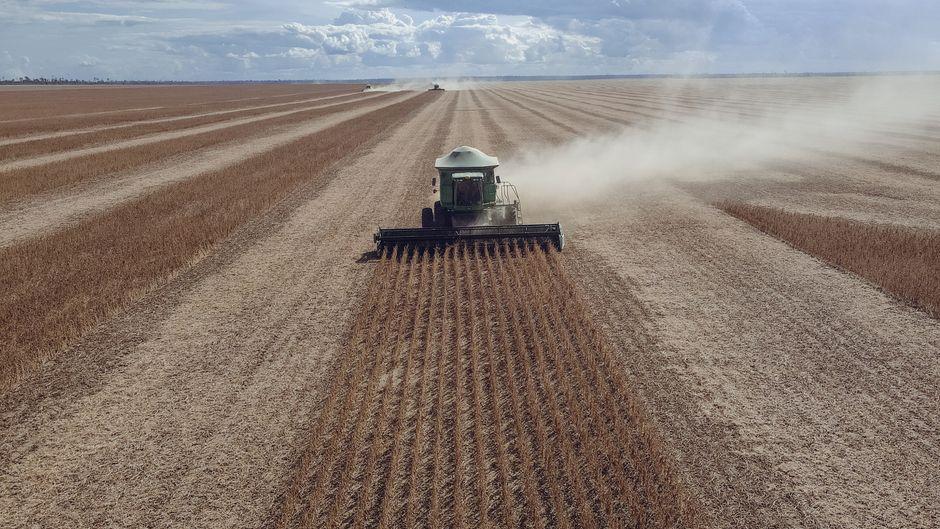
Agricultural commodities depend heavily on weather, crop reports, and bio-fuel policies. A drought in Brazil impacts coffee and sugar. US Midwest weather affects corn and soybean yields. These dynamics have low correlation with equity markets, which is precisely why they provide diversification.
A portfolio manager might overweight energy during an expansion cycle, then rotate into precious metals as the economy shows signs of slowing. An investor concerned about geopolitical risk might add agricultural exposure as a hedge against supply disruptions. The key insight: treating commodities as a single asset class misses these sector-specific opportunities.
Roll Yield Optimization in Commodity ETF Allocation
Roll yield represents the return generated—or lost—when a futures-based ETF rolls its contracts forward to maintain exposure. Understanding this mechanism helps investors choose between ETFs and alternative structures.
Physical commodity ETFs, like those holding actual gold bars or warehouse receipts, avoid roll yield entirely because they don’t use futures. GLD and IAU hold physical gold, so their returns match spot gold prices minus management fees. This simplicity makes them suitable for long-term inflation hedges.
Futures-based ETFs must roll. If the Oil ETF USO holds front-month WTI contracts, it must sell those contracts as expiration approaches and buy the next month’s contracts. When the market is in contango, the next contract costs more, creating negative roll yield. Over time, this drag can meaningfully reduce returns relative to spot oil prices.
Some ETFs use longer-dated futures to reduce roll frequency. Others employ “calendar roll” strategies, gradually shifting positions over weeks rather than days. These approaches reduce but don’t eliminate the cost.
An alternative is the ETN structure, like the Bloomberg Commodity Index ETN, which uses a different methodology for tracking commodities. ETNs carry counterparty risk—the issuer promises to deliver the index return—but they can sometimes achieve better tracking than ETFs through different sampling techniques.
For long-term investors, the practical advice is straightforward: use physical commodity ETFs for precious metals where the structure is available. For energy and industrial metals, accept that futures-based ETFs will underperform spot prices somewhat over time due to roll costs. Factor this expectation into your allocation decisions.
Step 1: Define Your Commodity Allocation Objective
Before buying anything, clarify why you’re adding commodities. Are you seeking inflation protection? Diversification during market stress? Speculative short-term exposure? The objective determines position size, instrument choice, and holding period.
For inflation protection, gold remains the traditional choice. It has centuries of monetary history and typically appreciates when currencies devalue. A reasonable allocation is 5-10% of a diversified portfolio.
For diversification during stress, consider multiple commodity sectors. A broad commodity ETF provides this, though it includes energy which adds volatility. Alternatively, build a basket of sector-specific ETFs targeting gold, agriculture, and industrial metals.
For speculative trading, define your timeframe and risk tolerance explicitly. Futures offer leverage but require margin accounts and carry margin calls. Options on futures provide defined-risk exposure but require options knowledge. ETFs offer the simplest execution for most retail traders.
Step 2: Choose Your Instruments Based on Structure
With objectives clear, select instruments matching your goals and constraints.
For long-term inflation protection, physical commodity ETFs like GLD (gold) or SLV (silver) make sense. They hold actual metal, track spot prices accurately, and involve no futures roll complications.
For diversified commodity exposure, broad ETFs like DBC or DJP hold futures across multiple commodities. These work for portfolio diversification but expect some tracking error relative to spot commodity baskets due to contango effects.
For sector-specific exposure, energy traders might use USO (crude oil) or UNG (natural gas). Agricultural traders might use DBA (agriculture) or specific ETFs like WEAT (wheat) or CORN (corn). Each carries unique risks beyond general commodity exposure.
For futures direct exposure, open a futures brokerage account. This requires meeting net worth or income thresholds in most jurisdictions due to the regulatory status of futures. The benefit is precise control over contract selection, expiration dates, and roll timing.
Step 3: Implement Position Sizing and Monitoring
Commodity allocations require disciplined sizing and ongoing monitoring. The asset class is volatile, and positions sized too aggressively create emotional trading decisions.
A starting point for most portfolios is 5-15% total commodity exposure. Within that, consider splitting between precious metals (for inflation hedge), energy (for growth exposure), and agriculture (for diversification). Rebalance annually or when any position exceeds its target allocation by more than 3-5 percentage points.
Monitor contango conditions for futures-based positions. When markets enter deep backwardation, roll costs become roll benefits. Conversely, expect drag during prolonged contango, typical of low-volatility, well-supplied commodity markets.
Set stop-losses for trading positions but avoid using stops for long-term investment allocations. Commodities are cyclical, and stops trigger at precisely the wrong moments during temporary dislocations. Long-term commodity positions should be sized so that drawdowns don’t cause forced selling.
Practical Tips for Better Results
Use tax-advantaged accounts for commodity futures and ETNs. These instruments generate complex tax lots (60% long-term, 40% short-term) that become administratively burdensome in regular brokerage accounts.
Consider the expense ratio differences between ETFs. Some commodity ETFs charge 0.50% or more annually, while others charge under 0.30%. Over a decade, that difference compounds significantly.
Monitor the futures curve before buying. Entering a futures-based ETF during deep contango means immediately accepting negative roll yield. Better to wait for normalization or use physical commodity ETFs.
Understand that commodity correlations change during crises. What diversifies during normal markets may correlate during true emergencies. Diversification isn’t permanent protection.
Consider commodity producer stocks instead of commodities directly. Companies like ExxonMobil or Freeport-McMoRan provide exposure to commodity prices without futures complexity, though they add company-specific risks.
Use dollar-cost averaging for long-term commodity positions. The asset class experiences significant volatility; systematic buying reduces timing risk.
Review your commodity allocation when Federal Reserve policy shifts. Rate changes impact gold, energy demand, and the dollar—all critical commodity drivers.
Common Mistakes to Avoid
Treating all commodities as identical. Energy, precious metals, and agriculture respond to different fundamentals. A portfolio heavy in energy during an economic contraction experiences very different results than one heavy in gold.
Ignoring the cost structure of commodity ETFs. Contango drag can erode returns significantly over time. Understand what you’re actually owning and how returns differ from spot prices.
Over-allocating to commodities based on recent performance. Chasing commodities after they’ve rallied strongly typically means buying at cycle peaks. The asset class is cyclical; recent returns rarely predict future results.
Using commodity futures without understanding margin requirements. Futures can wipe out accounts that don’t respect position sizing rules. Leverage works both ways.
Assuming commodities always hedge inflation. The correlation is imperfect and varies by commodity. Gold performs best during monetary inflation; energy responds more to demand fluctuations.
Neglecting to rebalance commodity positions. Without rebalancing, winners become oversized positions that expose the portfolio to concentration risk.
Buying commodity stocks and thinking you have commodity exposure. Chevron is not oil; it’s a company affected by oil prices, costs, and management decisions. The correlation is positive but imperfect.
What are the best commodities to invest in for beginners?
Gold represents the most accessible entry point for beginners. It has the longest trading history, the most liquid market, and straightforward exposure through ETFs like GLD or IAU. Silver offers similar dynamics but with higher volatility. Beginning investors should avoid energy futures and agricultural commodities initially, as these require more specialized knowledge of supply dynamics.
How much of my portfolio should be in commodities?
Most financial advisors suggest 5-15% for traditional portfolios seeking diversification and inflation protection. The exact percentage depends on your age, risk tolerance, and other assets. Younger investors with longer time horizons might accept higher commodity exposure than retirees seeking capital preservation.
Are commodity ETFs better than futures contracts?
For most investors, yes. ETFs provide easier execution, no margin calls, and simplified tax reporting. Futures offer more control, direct exposure, and lower costs for large positions, but they require significant knowledge and risk tolerance. The best choice depends on your expertise and objectives.
What is the safest way to invest in commodities?
Physical commodity ETFs holding actual metal, like GLD for gold or SLV for silver, offer the most direct and lowest-risk exposure. They avoid the complexities of futures curves and margin requirements. But “safest” doesn’t mean “best returns”—these vehicles track spot prices, which can decline.
How do commodities protect against inflation?
Commodities, particularly gold, often retain purchasing power when currencies lose value. During inflationary periods, prices for raw materials typically rise because currency devaluation makes those materials more expensive in real terms. This relationship isn’t perfect or automatic, but commodities have historically preserved wealth during monetary expansion.
When should I reduce my commodity allocation?
Consider reducing commodity exposure after significant rallies, when inflation pressures ease, or when your portfolio has grown such that commodities exceed your target allocation. Also consider reduction if your investment timeline shortens—retirees generally need less volatile, more predictable assets than commodities provide.
Conclusion
Commodities belong in most portfolios, but only when approached with clear objectives and realistic expectations. The asset class offers genuine diversification and inflation protection, but it introduces complexities—contango, roll yield, sector-specific risks—that require understanding. Don’t treat commodities as a single homogeneous bucket. Energy behaves differently from gold, which behaves differently from wheat. That diversity creates opportunity if you allocate thoughtfully.
Your next step: assess your current portfolio composition and determine whether commodity exposure aligns with your objectives. If you currently hold zero commodities, consider starting with a 5% allocation to gold via a physical ETF. Monitor the position through an economic cycle, learning how commodities interact with your other holdings. Adjust from there based on what you observe.
Remember that all investments carry risk, including the possibility of loss. Commodity markets are particularly sensitive to geopolitical events, policy changes, and supply disruptions—factors that can cause rapid, significant losses. Never allocate to commodities money you cannot afford to lose. Past performance doesn’t guarantee future results. Build your allocation around your specific financial situation, risk tolerance, and investment timeline.
—
This article is for educational purposes only and does not constitute investment advice. Trading and investing carry risk of loss; never invest more than you can afford to lose.
Last reviewed: August 2026