
































Agricultural Commodities vs Precious Metals: Volatility

Table of Contents
- Introduction
- What Are Agricultural Commodities and Precious Metals?
- Why Volatility Comparison Matters for Traders and Investors
- Core Concepts of Commodity Volatility
- Step-by-Step Guide to Analyzing Volatility
- Practical Tips for Better Results
- Common Mistakes to Avoid
- Frequently Asked Questions
- Conclusion
Introduction
A sudden drought in the Midwest can send corn futures surging 20% within a single trading week, catching unhedged traders off guard. Conversely, a spike in geopolitical tension often triggers a flight to safety, driving gold prices higher while industrial assets slump. These two scenarios illustrate the fundamental difference between the volatility drivers of agricultural commodities and precious metals.
For the active investor, the problem is not volatility itself, but the nature of it. One is driven by biological and climatic constraints; the other by monetary policy and systemic fear. Understanding which asset class carries a higher risk of a sudden drawdown is essential for anyone managing a diversified portfolio or trading futures. When managing capital, the distinction between a weather-induced supply shock and a macro-driven currency devaluation is the difference between a calculated risk and a blind gamble.
This analysis breaks down the mechanics of price swings in both sectors. You will learn how to distinguish between seasonal supply shocks and macroeconomic hedges, providing a framework to determine which asset fits your specific risk tolerance. By examining the underlying catalysts—from the Federal Reserve’s interest rate trajectory to the precipitation levels in the Brazilian highlands—investors can better calibrate their exposure to these distinct asset classes.
What Are Agricultural Commodities and Precious Metals?
Agricultural commodities are raw materials derived from farming and ranching, such as corn, soybeans, wheat, coffee, and livestock. Their value is tied to the physical reality of production, consumption, and perishability. These assets are inherently linked to the biological clock of the earth. For example, if a freeze hits Brazil’s coffee regions, the immediate reduction in available supply creates a price spike regardless of the broader economic climate. Because these goods are consumable and subject to decay, the market must constantly balance current inventory against future harvest expectations.
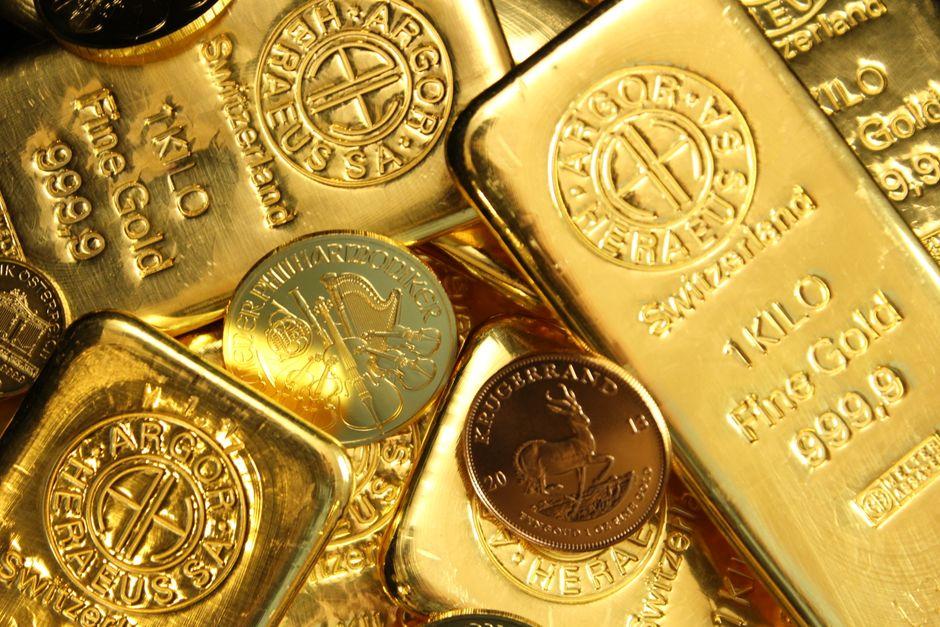
Precious metals are rare, naturally occurring elements—primarily gold, silver, platinum, and palladium—valued for their scarcity, industrial use, and role as financial hedges. Unlike corn, gold does not rot, nor does it require a growing season to reach the market. A concrete example is the role of gold during a central bank crisis; investors buy gold not because they need the physical metal for a product, but because they distrust the currency. This makes precious metals a proxy for confidence in the global financial system. While gold remains the primary monetary hedge, metals like silver and platinum bridge the gap between financial speculation and industrial necessity, as they are critical components in electronics and automotive catalysts.
Why Volatility Comparison Matters for Traders and Investors
Ignoring the difference in volatility regimes leads to poor position sizing. A trader who applies the same stop-loss percentage to a gold position as they do to a soybean position is ignoring the fundamental reality of the two markets. Agricultural markets often experience gap risk, where prices jump significantly between trading sessions due to overnight weather reports or sudden export bans. In such an environment, a stop-loss order may not be filled at the requested price, leading to slippage and losses that exceed the original risk parameters.
Institutional researchers and retail traders use this comparison to balance their portfolios. If you are over-exposed to agricultural commodities, you are essentially betting on weather patterns and crop yields. If you pivot toward precious metals, you are shifting your risk toward interest rate changes and currency fluctuations. The goal is to ensure that a single thematic event—such as a bad harvest—does not create a catastrophic drawdown across the entire portfolio.
Failure to distinguish these drivers can result in a correlation trap. During a global systemic crisis, many assets crash together as liquidity dries up and investors move to cash. However, precious metals often move inversely to equities, acting as a counterbalance. Agricultural commodities may remain volatile based on local harvest data, regardless of whether the S&P 500 is rallying or crashing. This lack of correlation makes the combination of both asset classes a powerful tool for risk management, provided the investor understands the distinct triggers for each.
Seasonal Cycle and Harvest Risk
Agricultural volatility is deeply cyclical. Prices typically fluctuate based on the planting and harvesting seasons. There is a period of high uncertainty during the growing season when weather forecasts dictate the expected yield. This creates a window of heightened implied volatility where speculators and hedgers battle over the projected size of the crop.
Consider a scenario where wheat futures are trading in a tight range during the winter. As spring arrives, a series of unexpected heatwaves in the Great Plains reduces the projected harvest. This creates a supply-side shock. Traders who are long the market see rapid gains, while those short the market face immediate margin calls as the price gaps upward. This volatility is biological and cannot be mitigated by central bank intervention or fiscal stimulus. It is a raw reflection of scarcity.
Safe-Haven Inflows vs. Industrial Demand
Precious metals exhibit a dual personality: they are both industrial inputs and monetary hedges. Gold has minimal industrial use, making it a pure play on systemic fear and real interest rates. When the Federal Reserve maintains a hawkish stance, gold often faces headwinds because the opportunity cost of holding a non-yielding asset increases.
Silver, however, is used heavily in electronics and solar panels, meaning it reacts to both economic growth and safe-haven demand. In a scenario of geopolitical instability, you will often see a flight to safety. Gold prices rise as investors move capital out of risky equities and into the metal. At the same time, industrial metals like copper or even silver might slump if the instability threatens global manufacturing and reduces industrial demand. This creates a volatility profile that is tied to the Federal Reserve’s interest rate decisions, Treasury yields, and the stability of the US Dollar.
The Impact of USDA WASN Reports on Price Spikes
In the agricultural sector, volatility is often concentrated around specific data releases. The World Agricultural Supply and Demand Estimates (WASDE) reports issued by the USDA are the primary catalysts for price swings. These reports provide the market with the official count of stocks and production, acting as the definitive source of truth for supply levels.
Imagine a trader holding a long position in soybeans. The market has priced in a bumper crop, keeping prices suppressed. When the USDA report is released, it reveals that the harvest was significantly lower than expected due to pests or unexpected rainfall. The resulting supply shock causes an immediate price spike. This is a different type of volatility than what is seen in gold, where the catalyst is more likely to be a Non-Farm Payrolls (NFP) report, a change in the Consumer Price Index (CPI), or a shift in the VIX. While the USDA report affects the physical availability of a crop, the NFP report affects the perceived value of the currency used to buy that crop.
Step-by-Step Guide to Analyzing Volatility
Step 1 — Identify the Volatility Regime
Before entering a trade, determine if the market is in a weather-driven or macro-driven regime. For agricultural commodities, check the crop calendar. If it is the peak of the growing season, expect higher implied volatility and more frequent price gaps. For precious metals, look at the real yield on 10-year Treasuries. Real yields are the primary driver for gold; if real yields are falling, gold typically becomes more attractive as the cost of carry decreases.
Step 2 — Calculate Historical Drawdowns
Look at the maximum peak-to-trough decline for both assets over the last five years. You will notice that agricultural commodities often have sharper, more violent drawdowns tied to overproduction or sudden crop failure. These moves can be parabolic and sudden. Precious metals tend to have smoother, longer-term trends, though they can experience volatility during liquidity crises when traders sell everything to cover margins on other losing positions. Understanding these drawdowns helps in setting realistic expectations for the maximum potential loss.
Step 3 — Set Position Sizing Based on Instrument Volatility
Do not use a flat dollar amount for both assets. Instead, use a volatility-adjusted approach. If soybeans have twice the average true range (ATR) of gold, your position size in soybeans should be significantly smaller to maintain the same risk per trade. This prevents a single agricultural supply shock from wiping out the gains made in a steadier precious metals position. By normalizing the risk based on the asset’s historical volatility, you ensure that no single trade can jeopardize the solvency of the account.
Practical Tips for Better Results
- Monitor the US Dollar Index (DXY). Since both agricultural commodities and precious metals are priced in dollars, a surging dollar generally puts downward pressure on both, though the impact is often more pronounced in metals due to their role as a currency alternative.
- Use the Basis to understand local vs. global pricing. In agriculture, the difference between the cash price at a local elevator and the futures price on the CME can signal local supply gluts or shortages that may not yet be reflected in the global futures price.
- Track the Carry cost. Holding physical precious metals involves storage and insurance costs. Holding agricultural futures involves rolling contracts from one month to the next, which can be expensive if the market is in heavy contango, where future prices are significantly higher than spot prices.
- Watch the VIX. When the volatility index spikes, precious metals often see an increase in demand as a hedge against equity market turmoil. Agricultural commodities may be ignored unless the volatility is caused by a food-security crisis or a major trade war.
- Diversify across Softs and Grains. Not all agricultural commodities move together. Coffee and sugar, known as softs, have different volatility drivers—such as weather in Brazil or India—than corn and wheat, which are primarily driven by the North American and Black Sea regions.
- Use trailing stops. Because agricultural markets are prone to sudden gaps, a hard stop can be skipped, leaving the trader with a much larger loss than intended. A trailing stop based on a percentage of the asset’s volatility helps lock in profits during a parabolic move while providing a buffer against noise.
Common Mistakes to Avoid
- Treating gold as a risk-free asset. While it is a safe haven, it can still experience significant drawdowns when the Federal Reserve raises rates aggressively, as the lack of yield becomes a liability.
- Over-trading during USDA reports. The volatility immediately following a WASDE report is often noise as the market attempts to digest complex data. Waiting for the initial reaction to settle usually leads to better entries and fewer whipsaws.
- Ignoring the correlation between silver and gold. Many beginners buy both thinking they are diversified, but they often move in tandem, doubling the exposure to the same macroeconomic risks.
- Using excessive leverage in ags. Because of the potential for 20% moves in a week, high leverage in agricultural futures is a recipe for a total account wipeout. The volatility of these assets requires a more conservative approach to margin.
- Confusing industrial demand with safe-haven demand. Buying platinum for a hedge is a mistake; it is far more sensitive to the health of the automotive industry and catalytic converter demand than it is to systemic financial fear.
Which is more volatile: corn or gold?
Historically, corn is more volatile on a short-term basis due to its dependence on weather and harvest cycles. A single storm can change the supply outlook overnight. Gold tends to have more stable price action on a day-to-day basis, though it can experience significant trends over months or years based on macroeconomic shifts and central bank policies.
What causes agricultural commodity prices to spike?
The primary drivers are supply-side shocks, such as droughts, floods, or pests that reduce crop yields. Other factors include geopolitical conflicts in breadbasket regions, such as the Black Sea, which can disrupt global exports, and sudden changes in biofuel mandates that shift demand from food to fuel.
How do precious metals act as a hedge against inflation?
Precious metals, particularly gold, have no counterparty risk and cannot be printed by governments. When inflation erodes the purchasing power of fiat currencies, investors move into gold to preserve the real value of their capital. It serves as a store of value when the confidence in the central bank’s ability to control inflation wavers.
When is the best time to trade agricultural futures?
The most opportunistic times are usually during the growing season when weather uncertainty is high, or just before major USDA report releases. However, these periods also carry the highest risk of sudden price gaps and extreme volatility.
Can you invest in both ags and metals in one portfolio?
Yes, and it is often recommended for diversification. Because the drivers of agricultural volatility (weather and biology) are largely uncorrelated with the drivers of precious metal volatility (interest rates and geopolitics), holding both can smooth out a portfolio’s equity curve and reduce overall variance.
Is gold less risky than soybeans?
For price volatility and the likelihood of a sudden, massive gap, gold is generally considered less risky. Soybeans are subject to biological risks and trade wars that can cause violent price swings regardless of the global economic health. Gold’s movements are typically more gradual and tied to broader financial trends.
Conclusion
The choice between agricultural commodities and precious metals depends on whether you are seeking a hedge against systemic collapse or a way to profit from supply-side instability. Agricultural commodities offer higher potential for short-term volatility and explosive moves, but they come with the risk of unpredictable weather events and biological failures. Precious metals provide a more stable, macro-driven volatility profile that serves as a buffer during financial crises and currency debasements.
The most practical next step is to analyze the current volatility regime: check the USDA calendar for upcoming reports and monitor the real yield on US Treasuries. By aligning your position size with the specific volatility of the asset, you can capture the upside of these markets without exposing your capital to unnecessary ruin. A disciplined approach to risk management, combined with an understanding of the fundamental drivers of each asset class, allows an investor to navigate these markets with confidence.
Trading commodities involves significant risk of loss. Future contracts are leveraged instruments, and price movements can be extreme. Never risk more capital than you can afford to lose, and always use strict risk management protocols, including the use of stop-losses and volatility-adjusted position sizing. There are no guaranteed returns in the commodities markets.
***
Disclaimer: This content is for educational purposes only and does not constitute financial advice. Trading commodities and futures involves a high risk of loss. Please consult with a licensed financial advisor before making any investment decisions.
This article is for educational purposes only and does not constitute investment advice. Trading and investing carry risk of loss; never invest more than you can afford to lose.
Last reviewed: August 2026