Start Trading in Azerbaijan: A Complete Guide for Investors

Table of Contents
- Introduction
- What Is Trading in Azerbaijan
- Why Trading in Azerbaijan Matters for Traders and Investors
- Core Concepts
- Step-by-Step Guide
- Practical Tips for Better Results
- Common Mistakes to Avoid
- Frequently Asked Questions
- Conclusion
Introduction
Oil price volatility often dictates the rhythm of capital flows in Baku, influencing everything from state bond yields to the stability of the manat. The Azerbaijani economy remains heavily correlated with energy exports, meaning shifts in Brent Crude prices transmit directly through to local liquidity conditions. For individuals looking to start trading in this environment, understanding the regulatory framework is just as critical as analyzing price charts. Local investors seek hedging instruments against inflation, while international participants look for exposure to energy-linked emerging markets.
The primary challenge lies in navigating the distinction between domestic equity access and international CFD platforms. Regulatory oversight by the Financial Market Authority (FMC) determines the safety of client funds and the legitimacy of execution venues. Ignoring these structural details can lead to unexpected settlement delays or currency conversion losses that erode profitability before a trade even moves in your favor. Capital trapped in settlement limbo cannot be redeployed, and unfavorable exchange rates can turn a winning trade into a net loss when repatriating funds.
This guide explains the mechanics of accessing Azerbaijani markets, the specific regulatory protections available, and the operational risks inherent to the region. You will learn how to verify broker licensing, manage AZN currency exposure, and execute orders on the Baku Stock Exchange with clarity. Success in this jurisdiction requires a disciplined approach to counterparty risk and a clear understanding of how local macroeconomic factors influence asset prices.
What Is Trading in Azerbaijan
Trading in Azerbaijan involves buying and selling financial instruments such as equities, government bonds, currencies, and derivatives through regulated intermediaries. The market structure is bifurcated between the local exchange, where domestic securities settle in manat, and international brokers, who offer access to global indices and forex pairs often denominated in USD or EUR. This division creates two distinct operational environments for the investor.
For example, a resident investor might purchase SOCAR state eurobonds through a local bank broker to earn coupon payments in hard currency. These instruments allow exposure to sovereign credit risk while maintaining denomination in a stable foreign currency. Conversely, that same investor might use an offshore platform to speculate on the price of Brent Crude oil using Contracts for Difference (CFDs). Both activities constitute trading, but they operate under different settlement rules, tax treatments, and regulatory umbrellas.
Domestic trading typically involves direct ownership of assets recorded in a central depository. International trading often involves synthetic exposure where the trader holds a contract with the broker rather than the underlying asset. Understanding this distinction is vital for assessing rights during corporate actions, such as dividends or bond coupon payments, and for evaluating the security of capital in the event of broker insolvency.
Why Trading in Azerbaijan Matters for Traders and Investors
Access to these markets allows participants to diversify beyond local bank deposits, which historically offer rates that may not always outpace inflation. In emerging economies, deposit rates often lag behind actual consumer price index increases, eroding purchasing power over time. For local residents, trading provides a mechanism to hedge against currency devaluation by holding assets denominated in USD or EUR. This strategy protects wealth from local monetary policy shifts or external shocks to the peg.
For foreign investors, Azerbaijani equities and bonds offer yield opportunities correlated with energy cycles that differ from developed market movements. When global energy prices rise, local assets often appreciate, providing a hedge against inflation in other parts of a diversified portfolio. Ignoring the specific mechanics of this jurisdiction can be costly. Without understanding the FMC licensing requirements, a trader might deposit funds with an unregulated entity that lacks segregation of client assets.
Also, failing to account for the fixed exchange rate regime of the AZN can lead to misjudged risk when converting profits back to local currency. Market participants often observe that liquidity varies significantly between local equities and international instruments, affecting entry and exit precision. In thin markets, large orders can move the price against the trader, increasing the cost of execution. Understanding these dynamics helps investors size positions appropriately to minimize market impact.
FMC Licensing Requirements
The Financial Market Authority (FMC) of Azerbaijan regulates non-banking financial institutions, including brokers and investment funds. A valid license ensures the broker adheres to capital adequacy rules and maintains segregated client accounts separate from corporate operating funds. This separation is vital because it protects investor capital in the event of broker insolvency. Regulatory capital requirements ensure the firm has enough equity to withstand operational losses without touching client money.
Consider a scenario where a local brokerage firm faces financial distress. If the firm is FMC licensed, client funds should be ring-fenced and returnable to investors through a compensation scheme or liquidation process. An unregulated offshore entity offers no such guarantee. Before depositing capital, you must verify the license number on the FMC registry and confirm the scope of permitted activities, such as whether they are authorized to handle forex margins or only local equities. Some licenses restrict firms to advisory roles, prohibiting them from holding client funds directly.
Verification involves checking the official registry online and confirming the physical address of the firm. Regulatory bodies often update their lists when licenses are revoked or suspended. Relying on outdated information can expose investors to entities that no longer meet compliance standards. This due diligence step is the first line of defense against fraud and operational failure in the financial sector.
Baku Stock Exchange Settlement Cycles
The Baku Stock Exchange (BSE) operates on specific settlement timelines that differ from major global indices like the S&P 500. Typically, equity trades settle on a T+2 basis, meaning ownership transfers two business days after the trade date. But liquidity in certain local issuers can be thin, sometimes extending the effective time required to exit a position without impacting the price. Settlement risk refers to the possibility that one party fails to deliver securities or cash during this window.
Imagine you purchase shares of a local telecommunications company on Monday. The trade executes immediately, but the cash and securities exchange hands on Wednesday. If you need liquidity urgently on Tuesday, you cannot access the proceeds from that sale. Understanding this cycle is crucial for cash flow management, especially if you plan to rotate capital quickly between instruments. Delays in settlement can tie up capital during volatile periods, preventing you from reacting to new market signals.
Traders must account for public holidays in Azerbaijan, which can extend settlement periods beyond the standard two days. Failure to anticipate these closures can result in missed opportunities or margin calls if capital is unavailable when needed. Professional traders often maintain a cash buffer to accommodate these timing mismatches without forcing the liquidation of positions at unfavorable prices.
AZN Currency Conversion Spreads
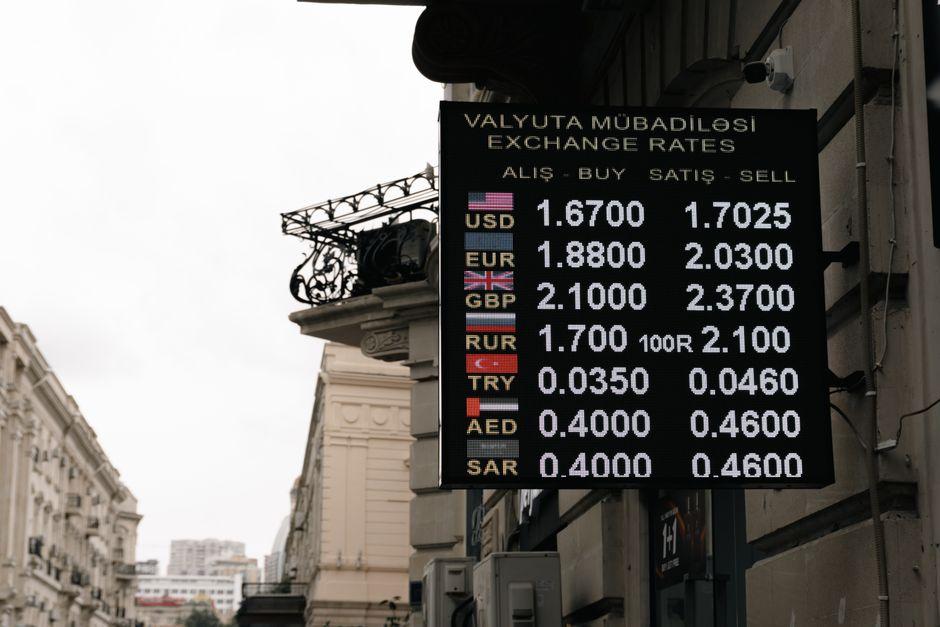
The Azerbaijani manat (AZN) is pegged to a basket of currencies, primarily the USD, but conversion spreads vary between banks and brokers. When funding a trading account, you often incur a cost converting AZN to USD or EUR. This spread acts as an immediate transaction cost that must be overcome before the trade becomes profitable. Wide spreads reduce the effective capital available for trading and increase the break-even point for every position.
For example, executing forex trades on USD/AZN via an international platform might show a tight interbank spread, but the deposit pathway tells a different story. A local bank might charge a wider spread for outgoing wire transfers in foreign currency compared to the rate used for incoming transfers. If you deposit 10,000 AZN, convert it to USD, trade, and convert back, the round-trip currency cost could exceed 1 percent. High-frequency strategies often fail here because the currency friction consumes the margin required for profitability.
Investors should compare rates across multiple banking institutions before initiating transfers. Some banks offer preferential rates for high-value transactions or premium account holders. Additionally, timing the conversion during periods of high market liquidity can sometimes result in better execution prices. Monitoring the central bank’s official rates versus commercial bank rates provides insight into the true cost of moving capital across borders.
Step 1 — Verify Broker Regulation and Asset Access
Begin by identifying whether you need access to local securities or global markets. For local equities and bonds, select an FMC-licensed investment company or a bank with a brokerage arm. For global indices, commodities, and forex, you may need an international broker accepting Azerbaijani clients. Check the regulatory status of the international broker with their home authority, such as the FCA in the UK or CySEC in Cyprus, as the FMC primarily oversees domestic entities. Cross-border regulation adds a layer of complexity that requires careful verification.
Once you have a shortlist, contact their support to confirm they accept residents of Azerbaijan and support AZN funding methods. Some global platforms restrict services based on jurisdiction due to compliance policies. Ensure the broker provides negative balance protection, which prevents you from losing more than your deposited capital during extreme volatility events. This step filters out unsafe venues before you transfer any funds. Negative balance protection is essential when trading leveraged products where market gaps can exceed account equity.
Request written confirmation of the regulatory status and keep records of all communications. Reputable firms will provide clear documentation regarding their licensing and investor protection schemes. Avoid brokers that hesitate to provide this information or claim exemption from standard regulatory requirements. Transparency in the onboarding process often reflects the operational integrity of the firm.
Step 2 — Fund Account and Manage Currency Exposure
Open the account by submitting required KYC documents, such as a passport and proof of address. When funding, choose the currency that matches your trading instruments to avoid unnecessary conversion fees. If you plan to trade US equities, funding in USD is more efficient than funding in AZN and letting the broker convert it internally at a marked-up rate. Internal conversions often include hidden margins that are not disclosed upfront.
Monitor the conversion rate offered by your bank versus the interbank rate. In many cases, wiring USD directly from a domiciliary account in Azerbaijan is cheaper than sending AZN and requesting conversion upon receipt. Keep records of all transfer receipts for tax reporting purposes. Be aware that large transfers may trigger additional compliance checks by the Central Bank of Azerbaijan, potentially delaying access to capital. Anti-money laundering protocols require detailed documentation for significant cross-border movements.
Maintain a log of all funding transactions including dates, amounts, and exchange rates applied. This record assists in calculating accurate profit and loss statements for tax obligations. It also helps in disputing any discrepancies with the broker regarding deposited amounts. Clear financial records are essential for maintaining compliance with local fiscal authorities and managing personal cash flow.
Step 3 — Execute First Trade with Risk Controls
Place your first order using a limit price rather than a market order to control entry costs, especially in less liquid local stocks. Set a stop-loss order immediately to define your maximum loss threshold. For example, if you buy a stock at 10 AZN, set a stop at 9 AZN to limit downside risk to 10 percent of the position value. Risk management rules should be established before entering any position to remove emotional decision-making during market fluctuations.
Review the margin requirements if trading CFDs or forex. Understand that use amplifies both gains and losses. A 1:10 use means a 10 percent move against you wipes out the entire position. Start with small position sizes to test the execution speed and spread stability of the platform. Only increase size once you confirm that slippage during news events remains within acceptable limits for your strategy. Slippage occurs when the execution price differs from the expected price due to rapid market movement.
Test the platform during different market sessions to observe liquidity variations. Morning sessions may exhibit different volatility profiles compared to afternoon trading. Understanding these patterns helps in timing entries and exits to minimize transaction costs. Consistent application of risk controls protects capital during periods of unexpected market stress and ensures longevity in trading activities.
Practical Tips for Better Results
- Monitor oil price correlations since Azerbaijani equities and the manat often move in tandem with Brent Crude trends. Energy sector performance drives much of the local economic activity, making oil prices a leading indicator for broader market movements. Traders should watch global energy reports to anticipate local market reactions.
- Check withdrawal policies before depositing, as some brokers impose minimum withdrawal amounts or fees that impact small accounts. Hidden fees can erode returns over time, especially for traders who move capital frequently. Understanding the fee structure upfront prevents surprises when accessing profits.
- Use limit orders on the Baku Stock Exchange to avoid slippage during low liquidity sessions in the morning or late afternoon. Market orders in thin markets can execute at unfavorable prices. Limit orders ensure you only trade at prices you deem acceptable, protecting against volatility spikes.
- Keep a portion of capital in hard currency accounts to mitigate local inflation risk while waiting for trading opportunities. Holding USD or EUR provides stability when the local currency faces pressure. This strategy preserves purchasing power during periods of economic uncertainty.
- Review tax residency rules annually, as regulations regarding capital gains for individuals can change depending on government fiscal policy. Tax laws are subject to amendment, and staying informed ensures compliance. Consult with a tax professional to understand liabilities on foreign income and local investments.
- Avoid trading during major local holidays when liquidity dries up and spreads widen significantly on local instruments. Low participation increases the cost of trading and the risk of erratic price movements. Planning around the market calendar improves execution quality.
- Test customer support response times during market hours to ensure you can resolve issues quickly when positions are open. Slow support can lead to unresolved technical issues affecting open trades. Reliable communication channels are critical for managing risk effectively.
Common Mistakes to Avoid
- Trading with unregulated offshore brokers that lack investor protection schemes, risking total loss of funds if the entity collapses. Unregulated firms operate without oversight, increasing the probability of fraud. Always verify licensing before transferring capital to ensure legal recourse is available.
- Ignoring currency conversion costs when calculating potential profits, leading to net losses despite successful trade direction. Transaction costs must be factored into the risk-reward ratio. Failing to account for spreads and fees can turn a profitable strategy into a losing one over time.
- Overconcentrating in local bank stocks, which creates correlation risk if the domestic banking sector faces systemic pressure. Diversification reduces exposure to single-sector shocks. Spreading capital across different asset classes and regions mitigates specific institutional risks.
- Using excessive use on volatile instruments like crypto or forex without accounting for overnight swap fees that erode capital. Leveraged positions held overnight incur financing costs. These costs accumulate and can significantly reduce returns on long-term holdings.
- Failing to verify settlement dates, which can cause cash shortages if funds are tied up in pending trades during urgent liquidity needs. Settlement delays impact cash availability. Planning for T+2 cycles ensures sufficient liquidity for margin requirements and personal expenses.
- Chasing yields on corporate bonds without assessing the creditworthiness of the issuer, leading to default risk in lower-quality debt. High yields often compensate for higher risk. Conducting credit analysis prevents exposure to issuers with weak financial fundamentals.
How to open a trading account in Azerbaijan?
You can open an account with an FMC-licensed local broker for domestic assets or an international broker for global markets. The process requires submitting identity verification documents and proof of address through the broker’s online portal or physical office. International brokers may require additional documentation to comply with cross-border regulations. The verification process ensures compliance with anti-money laundering laws and protects the integrity of the financial system.
What documents are needed for trading?
Brokers typically require a valid passport or national ID card, a recent utility bill for address verification, and sometimes a tax identification number. International platforms may also request proof of income or source of funds to comply with anti-money laundering regulations. Providing accurate documents speeds up the approval process. Incomplete submissions can delay account activation and access to markets.
Why choose an FMC licensed broker?
An FMC licensed broker must adhere to local capital requirements and client money rules, offering a layer of regulatory recourse. This reduces the risk of fraud and ensures that client funds are handled according to established financial standards within the jurisdiction. Regulatory oversight provides a mechanism for complaint resolution. Investors have greater confidence in firms subject to regular audits and compliance checks.
When are market hours for BSE?
The Baku Stock Exchange typically operates during standard business hours on weekdays, excluding public holidays. Specific trading sessions vary by instrument, so checking the official exchange calendar is necessary to avoid attempting trades during closed periods. Trading outside these hours may result in order queuing until the next session. Awareness of market hours prevents confusion regarding order execution status.
Can foreigners trade Azerbaijani stocks?
Foreign investors can access certain Azerbaijani securities, but restrictions may apply depending on the specific instrument and ownership limits. International participants often access exposure through eurobonds or derivatives rather than direct local equity ownership due to regulatory complexities. Some sectors may have foreign ownership caps. Understanding these limits is essential for constructing a compliant portfolio.
Is trading profit taxable in Azerbaijan?
Capital gains tax regulations depend on residency status and the type of instrument traded. Local residents should consult a tax advisor to understand current obligations, as laws regarding investment income can be updated by the Ministry of Taxes. Tax liabilities vary based on the holding period and asset class. Proper reporting ensures compliance and avoids penalties from fiscal authorities.
Conclusion
Successfully accessing these markets requires more than just capital; it demands a clear understanding of regulatory protections and currency mechanics. Verify your broker’s licensing status, account for conversion spreads in your risk calculations, and respect the settlement cycles of the local exchange. These structural elements determine whether your strategy survives the operational friction of the region. Ignoring infrastructure details can lead to preventable losses unrelated to market direction.
Begin by opening a demo account or trading small sizes to test the execution environment before committing significant capital. Remember that all trading involves risk, and you can lose more than your initial investment, especially when using leveraged products. Protect your capital by prioritizing regulation and liquidity over promised returns. Discipline in risk management and operational due diligence forms the foundation of sustainable trading performance in emerging markets.
—
This article is for educational purposes only and does not constitute investment advice. Trading and investing carry risk of loss; never invest more than you can afford to lose.
Last reviewed: August 2026