

Asset Allocation vs Stock Picking: Which Is Better?

Choosing between asset allocation and stock picking is a choice between managing risk and chasing alpha. This analysis breaks down the mechanics of both to help you build a sustainable portfolio.

How Choose Asset Allocation Based on Age and Risk
Aligning your portfolio with your age and risk capacity prevents emotional selling during drawdowns. This framework explains the mechanics of balancing growth and preservation.

Asset Allocation for Beginners: Stocks, Bonds, and Cash
A pragmatic framework for balancing risk and reward by aligning asset distribution with specific time horizons and psychological risk tolerance.

Asset Allocation Examples: 5 Portfolio Models Explained
Discover five distinct asset allocation models designed for different risk profiles. From aggressive growth to capital preservation, learn how to balance risk and return.

Liquidity Investing: How Asset Accessibility Affects Returns
Liquidity is the difference between a theoretical portfolio value and the actual cash you can realize. This analysis explores the critical balance between accessibility and yield.
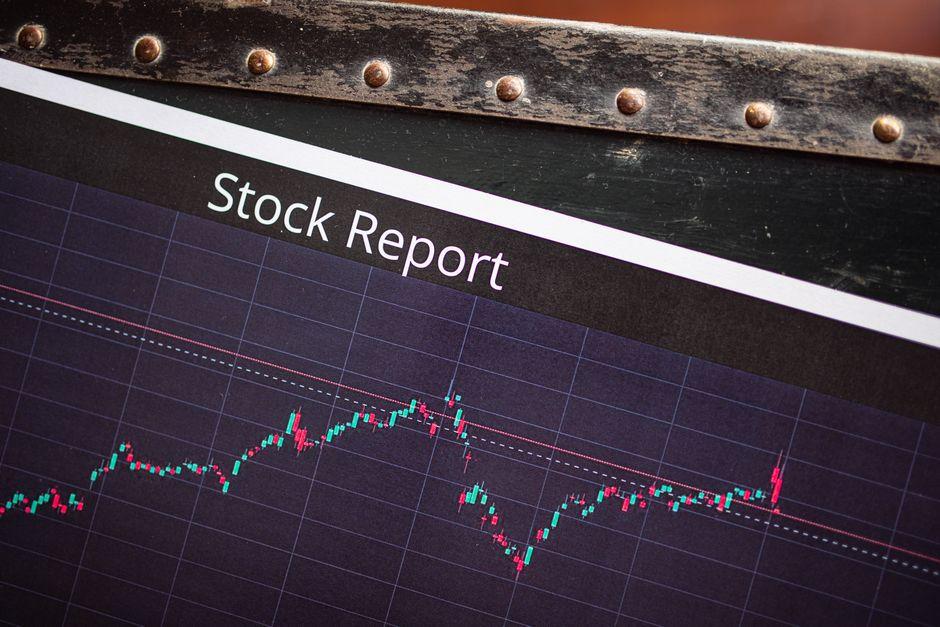
Stock Market Analysis for Beginners: Where to Start
Transition from passive saving to active investing with a pragmatic framework for stock market analysis. Balance fundamental value with technical timing to manage risk.
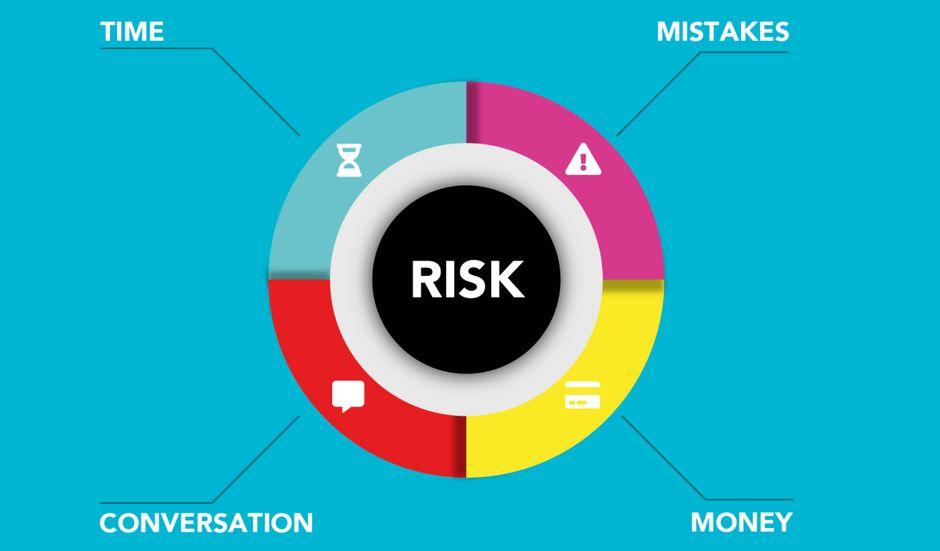
Analysis Market: Top 5 Mistakes Beginners Make
Most beginner traders fail not because they lack a strategy, but because they misunderstand how to analyze the market. We examine the five most costly errors and the professional frameworks used to fix them.

What is Market Analysis in Trading? A Complete Guide
Market analysis is the process of evaluating financial data to predict future price movements. This guide breaks down the three primary methodologies to help traders remove emotion from their execution.

How to Build an Asset Allocation Strategy That Works
A hands-on framework for constructing a personalized asset allocation strategy that balances risk tolerance, investment timeline, and financial goals.