

Trading FTSE 100 Futures Around UK Economic Releases

Timing UK macro releases can turn FTSE 100 futures into a precise trading tool. This guide shows contract mechanics, risk controls, and actionable steps to capture moves around CPI, GDP and Bank of England decisions.

How to Trade in Japan Successfully: A Professional Guide
Navigating the Tokyo Stock Exchange requires mastering unique settlement cycles and tax treaties distinct from US markets. This guide details the mechanics of cross-border execution and currency risk management for serious investors seeking exposure.

Best FTSE 100 Books for Professional Investors: Advanced S
Professional investors approaching the FTSE 100 need more than generic equity advice. The best FTSE 100 books cover index mechanics, sector concentration, and dividend compounding strategies specific to the UK market.

Smart Money Concepts vs Traditional Price Action in FTSE 100
Smart money concepts and traditional price action take different approaches to the same problem: identifying where institutional capital enters and exits the FTSE 100. This comparison breaks down which framework holds up better under real market…

Macroeconomic Outlook for FTSE 100 Investors Guide
A practical framework for translating macroeconomic indicators into actionable FTSE 100 investment decisions, covering interest rates, inflation, and currency dynamics.

Trading Bots for FTSE 100: Risk and Return Analysis
A data-driven comparison of automated trading bots versus manual FTSE 100 investing, evaluating real risk-adjusted returns for UK retail investors.

How to Set Effective Stop Loss Levels in FTSE 100
A data-driven guide to setting stop loss levels on FTSE 100 positions that balances capital protection with avoiding premature stop-outs in the UK's flagship blue-chip index.

How to Set Effective Stop Loss Levels in FTSE 100 Trading
A practical guide to placing strategic stop loss orders on FTSE 100 positions that balance protection with avoiding premature exits based on volatility and technical levels.

What Is the FTSE 100? A Complete Guide for Investors
The FTSE 100 is the UK's benchmark stock index, tracking the 100 largest companies on the London Stock Exchange. This guide explains how it's calculated, how to invest in it, and what it means for your portfolio.

How to Trade Breakouts in FTSE 100: Complete Guide
Master FTSE 100 breakout trading with this practical guide. Learn to identify true breakouts, confirm with volume, manage risk, and avoid false signals.
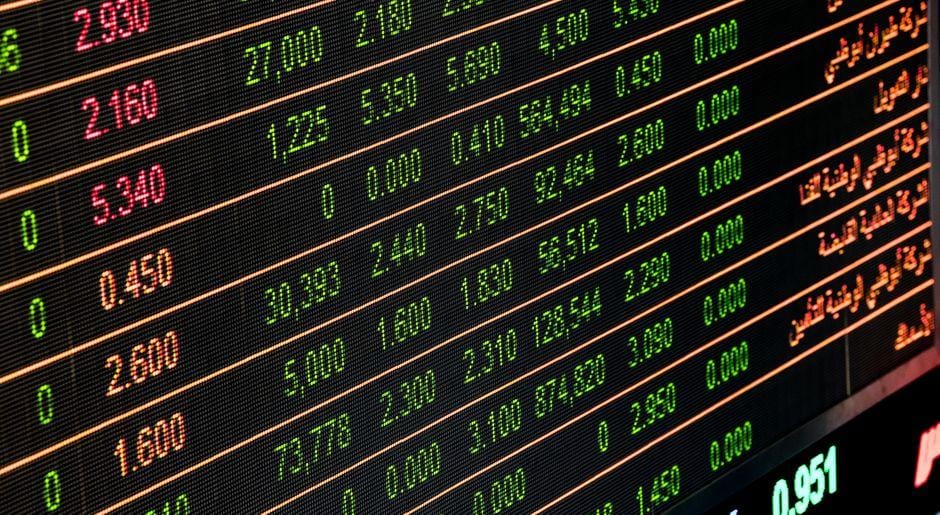
How to Use FTSE 100 for Day Trading – Practical Guide
The FTSE 100’s deep liquidity and predictable opening volatility give day traders a reliable arena for scalping. This guide walks you through concrete setups, risk controls, and the exact steps to turn market noise into actionable trades.

Best FTSE 100 Confirmation Signals: A Trader’s Framework
FTSE 100 breakouts fail more often than they succeed. Confirmation signals—volume, trend, and momentum—separate real moves from noise. Here is how to stack them.
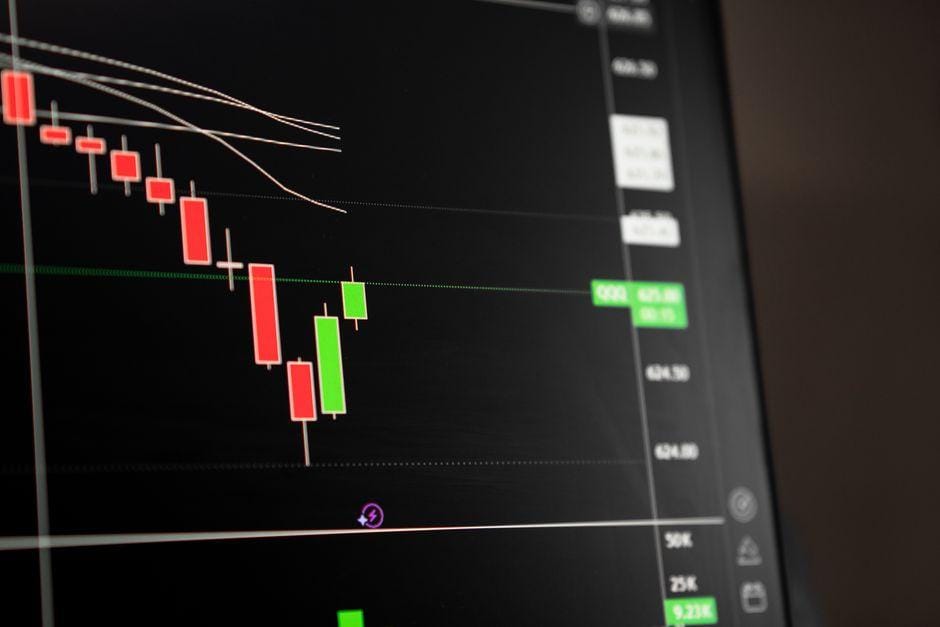
FTSE 100 Market Analysis: Outlook, Sectors, and Risks
A market analyst's framework for decoding the FTSE 100's sector concentration, dividend-heavy culture, and sterling-denominated risks against shifting UK and global macro flows.

MT4 vs MT5 for FTSE 100 Traders: Which Platform Wins?
Choosing between MT4 vs MT5 shapes how you trade the FTSE 100. Here's how both platforms handle UK100 execution, automation, and risk.

How to Identify Liquidity Sweeps in the FTSE 100
Liquidity sweeps in the FTSE 100 leave a recognisable footprint. This guide shows where the resting orders sit, when London session timing sets the trap, and how retail traders can read the reversal.

How Inflation Data Drives FTSE 100 Prices: Sector Map
How inflation data drives FTSE 100 prices is a transmission problem with four channels. This guide maps each one to specific constituents traders watch on CPI day.

How to Apply FTSE 100 in Swing Trading
A practitioner's blueprint for turning FTSE 100 price action into structured multi-day swing setups using London-session liquidity, sector rotation, and disciplined risk controls.