

Understanding Balance-Based vs Equity-Based Drawdown Rules

Balance-based and equity-based drawdown limits shape how brokers protect capital. This guide breaks down the mechanics, shows real‑world examples, and offers actionable steps to keep your account safe.
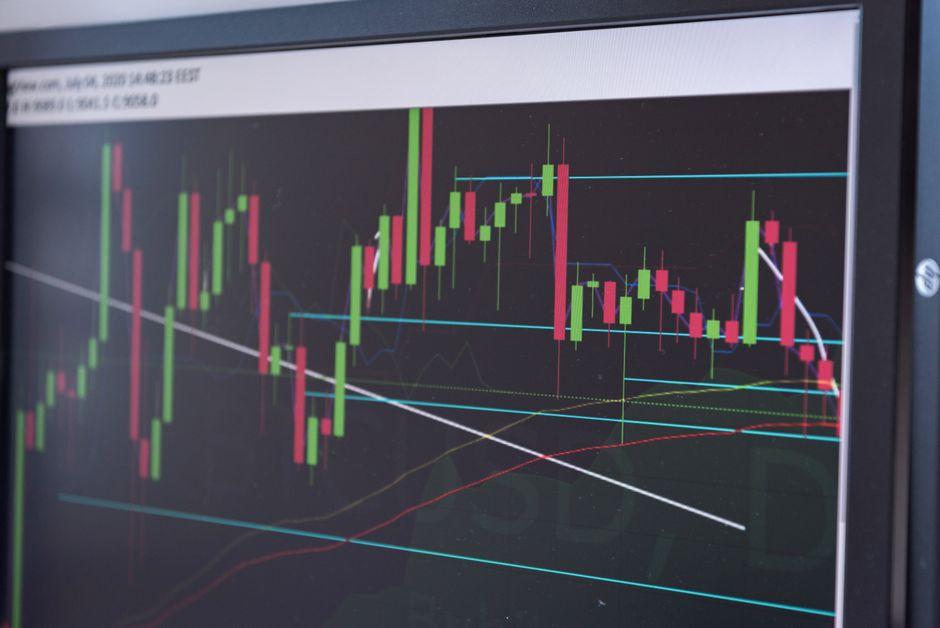
How Holiday Volatility Impacts Prop Firm Drawdown Risk
Holiday gaps can turn a modest position into a drawdown nightmare for prop firms. This guide breaks down the mechanics, shows real‑world examples, and offers actionable steps to protect capital during the calendar’s quiet weeks.

Why 95% of Prop Firm Traders Fail – Lessons to Join the 5%
Most prop‑firm traders crash out of their evaluation because they ignore the math of risk‑of‑ruin, chase inconsistent rewards, and let psychology dictate decisions. This article breaks down the mechanics and offers a disciplined roadmap to become part of…

The Truth About Virtual Accounts in Prop Trading
Virtual accounts promise a risk‑free sandbox for prop traders, but the reality includes hidden cost structures, performance traps, and strict scaling rules. This deep‑dive separates hype from fact, giving you the tools to decide whether a virtual account…

Managing Drawdown Limits with Automated EA Risk Controls
Automated expert advisors can lock drawdown at predefined levels while still catching market moves. This guide walks through the mechanics, concrete EA settings, and common pitfalls for traders who need hard caps on equity loss.

How to Avoid Over‑Trading Near a Prop Firm Payout
Over‑trading in the final stretch to a prop‑firm payout can erase months of profit. This guide shows how to set disciplined limits, manage position size, and lock in gains without sacrificing upside.

Top Risk Rules for Passing 2‑Step Prop Firm Challenges
Passing a 2‑step prop‑firm challenge hinges on disciplined risk control. This playbook walks you through the top risk rules, concrete examples, and actionable steps to keep your account alive and profitable.

Consistency Rule Explained: Prop Firm Performance Metrics
Prop firms rely on a strict consistency rule to separate disciplined traders from the noise. This article breaks down the exact metrics—profit factor, drawdown limits, and trade frequency—that firms monitor, and shows how you can align your trading plan…

Top Prop Firm Rules That Kill Traders – How to Avoid
Most traders crash at prop firms because they overlook the hidden rulebook. This article breaks down the ten most lethal constraints, shows real‑world breaches, and equips you with a practical playbook to stay funded.

Best Algorithmic Trading Risk Management Techniques Explained
Institutional quant funds survive flash crashes not by predicting them but by building automated guardrails. Dynamic position sizing and kill switches do the work that human judgment cannot do fast enough.

How to Manage Risk in Intraday Trading: Proven Framework
Risk management decides whether an intraday trader survives long enough to profit. This guide builds a quantitative framework using volatility-based position sizing, hard daily loss limits, and time-based exits.

How to Calculate Position Size: Risk-First Sizing Framework
Position sizing is the single most important decision a trader makes after choosing a direction. This framework links stop-loss placement to portfolio risk tolerance so you survive long enough to profit.

What Stop Loss Strategies Do and Why Every Trader Needs One
Stop loss strategies automate the exit decision before emotion takes over. Understanding what stop orders do, how they execute, and where they fail is the difference between controlled losses and account-ending drawdowns.

How to Read Market Structure for Passive Income Investing
Market structure analysis is not just for day traders. Passive income investors can use break of structure and change of character signals to time entries, reduce drawdowns, and improve long-term yield on cost.

Drawdown Management: How to Survive Losing Streaks
Drawdowns are a mathematical certainty in any trading strategy. This guide provides a systematic framework to manage peak-to-trough declines and prevent catastrophic capital depletion.

How Protect Capital in Trading: The Psychology of Risk
Trading success is not about how much you make, but how much you keep. This guide explains the mechanical and psychological frameworks required to protect capital during market volatility.

How to Protect Your Capital While Trading Forex
A practical guide to preserving your forex trading capital through proven risk management techniques that keep your account alive across market conditions.

Best EUR/GBP Risk Management Techniques for Traders
A practical guide to protecting capital while trading EUR/GBP, focusing on position sizing, stop-loss strategies, and volatility-based adjustments.

Best Portfolio Management Indicators for Day Traders
A practical guide to the portfolio management indicators that separate consistently profitable day traders from those who blow up their accounts.

Best Risk Management Techniques to Manage Trading Stress
The best risk management techniques aren't about eliminating risk—they're about surviving long enough to profit. Discover the concrete methods that separate consistent traders from those who burn out.

Position Sizing: Price Action Guide for Traders
This guide explains how to calculate optimal position size using price action analysis. Includes real examples, step-by-step formulas, and common mistakes to avoid.
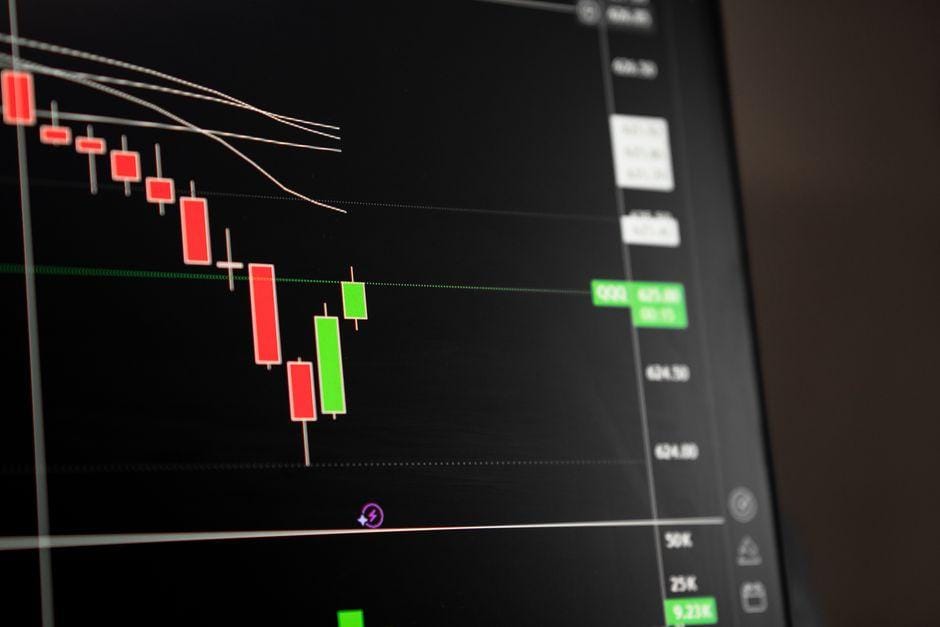
Best Technical Analysis Risk Management Techniques
A practical guide to applying specific technical analysis tools for real-world risk control in trading, covering position sizing, stop-loss placement, and volatility strategies.

How to Integrate Risk Management into Every Trade
A step‑by‑step blueprint shows traders how to embed proven risk‑management mechanics—from fractional position sizing to volatility‑adjusted stops—into every layer of a trading plan, improving consistency while protecting capital.

Trading Psychology vs Position Trading: Risk & Return
Trading psychology quietly determines whether a position trader's edge survives real-world drawdowns. This piece compares the two and shows where emotional decisions erode returns.

How to Manage Risk in GBP/JPY: A Precision Forex Framework
A precision framework for taming GBP/JPY's wild swings through ATR-calibrated stops, the 1% account risk rule, and cross-pair hedging with USD/JPY and EUR/GBP.

How to Calculate Position Size for Tech Stocks (Guide)
Position sizing is the math that decides whether a tech trade survives a gap down. This tutorial walks through fixed fractional, ATR, and beta-adjusted methods with worked examples.

How to Build a Long-Term Portfolio With Risk Management
Building a long-term portfolio is not about picking winners. It is about budgeting risk so capital survives the drawdowns that compound returns over decades.

Best Passive Income Risk Management Techniques Guide
Best passive income streams can vanish in a single market cycle. A practitioner walks through the risk framework that keeps the cash flow alive.

How to Calculate Position Size for Risk Management
Position sizing is the math that decides whether a trader survives a bad streak. This guide shows how to calculate position size using real formulas and live trade examples.

Best Trading Bots Risk Management: A Disciplined Playbook
The best trading bots don't win on cleverness. They win on guardrails. Here's how disciplined risk controls separate profitable automation from costly blowups.