

Complete Setup Walkthrough for MT5 Algorithmic Traders

This article walks you through every step of a complete setup for MT5 algorithmic trading, from broker connection to live deployment, while flagging common pitfalls and offering performance‑boosting tips for both beginners and seasoned coders.
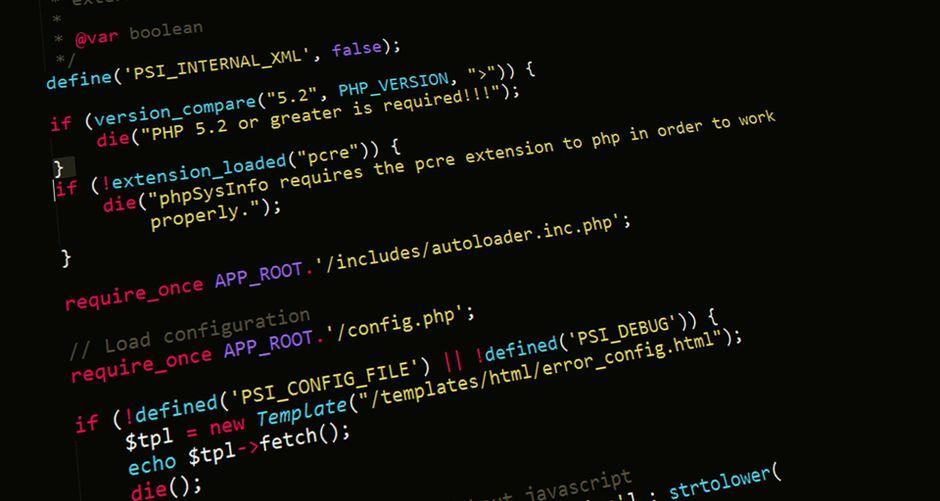
How to Debug Pine Script Errors: Practical Guide for Traders
A trader’s script can fail at the worst moment, wiping out a day’s work. This guide shows how to pinpoint Pine Script errors, fix execution bugs, and keep live strategies reliable.

How to Code a Trailing Stop in Pine Script v6 for Traders
This guide walks you through coding a robust trailing stop loss in Pine Script v6, covering ATR‑based and percentage methods, multi‑timeframe integration, and backtesting considerations for both forex and equity markets.
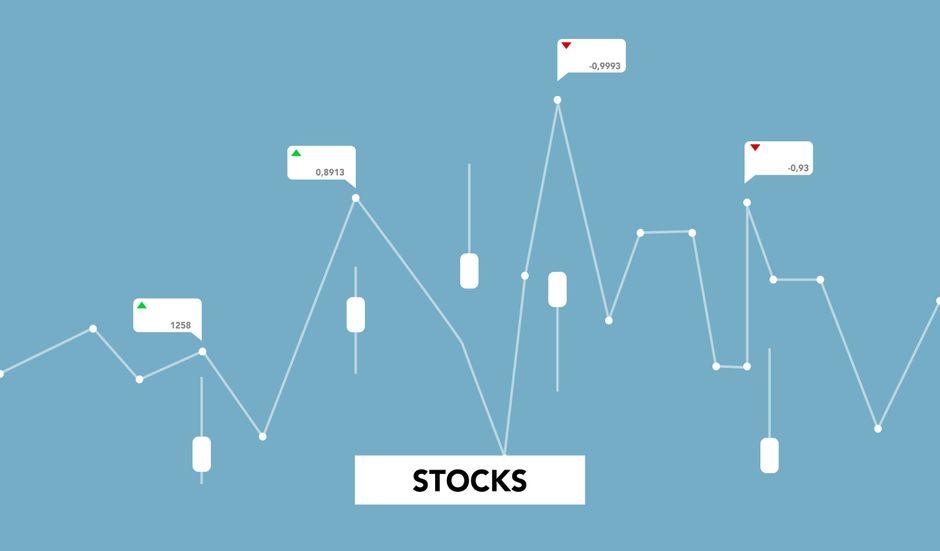
TradingView Bar Replay: Master Price‑Action Drills
The TradingView bar replay lets you step through historical price bars as if watching a live market. By turning that capability into disciplined drills, you can sharpen entry timing, test stop placement, and build confidence without committing capital.

Pine Script Heatmaps – Visualize Volume Density for Better Trades
Turn raw volume data into a color‑coded heatmap with Pine Script, then use the visual cue to spot accumulation zones, gaps, and breakout opportunities across equities and forex.

Build a Custom Breaker Block Detector on TradingView
A hands‑on tutorial walks you through coding, testing, and deploying a bespoke breaker‑block detector on TradingView, letting you spot high‑probability reversal zones without relying on generic indicators.

How to Store MT5 Tick Data in SQL for Quant Analysis
This guide walks you through the exact steps to pipe MT5 tick streams into a relational database, covering schema design, batch loading, and indexing tricks that keep query latency low for quantitative research.

Building Custom Session Highlighter in Pine Script Guide
A precise session highlighter can turn raw market hours into actionable visual cues. This guide walks you through building a timezone‑aware Pine Script indicator, complete with examples for EUR/USD and NQ futures.

How to Backtest Portfolio Strategies on TradingView Premium
TradingView Premium lets you test whole portfolios, not just single tickers. This guide walks through building a multi‑symbol script, aggregating results, and adding realistic cost assumptions so you can evaluate drawdowns and risk‑adjusted returns with…

How to Add Custom Range Bars and Renko Charts on MT5
Adding custom range bars and Renko charts to MT5 lets traders cut through noisy time‑based candles. This guide walks through the algorithm, MQL5 implementation, and real‑world use cases, so you can deploy the charts confidently.
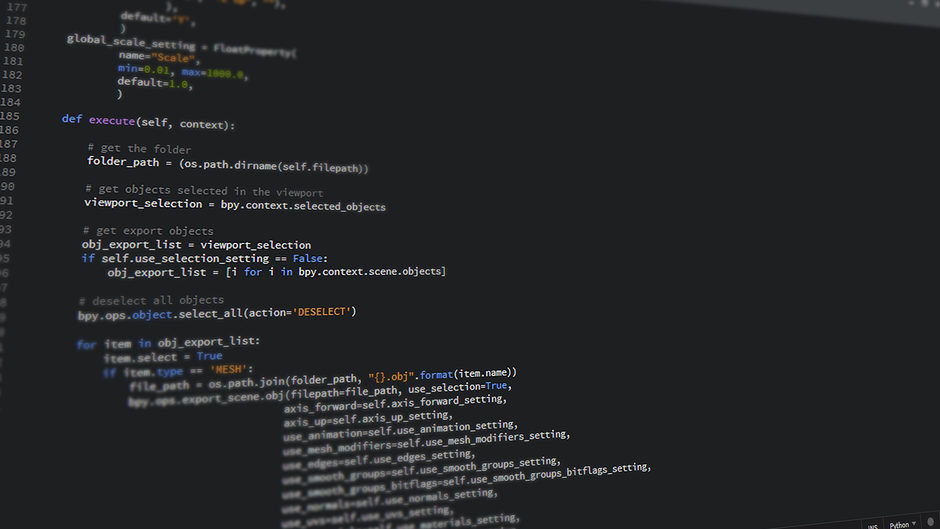
How to Connect MT5 to Python with MetaTrader5 Module
Connecting MetaTrader 5 to Python opens a path to data‑driven trading. This guide walks you through the MetaTrader5 module, from installation to live‑risk management, with concrete code snippets and real‑world use cases.
How to Optimize EA Parameter Inputs with Genetic Algorithms
Genetic algorithms can sift through thousands of EA settings to find a risk‑adjusted sweet spot. This guide walks you through encoding, fitness design, and safeguards against over‑fitting, with real‑world forex and futures examples.

TradingView Pine Script V6 vs V5: What Coders Need to Know
TradingView’s Pine Script just moved to version 6, adding lower‑timeframe security calls, persistent per‑bar variables, and dynamic arrays. This article walks coders through the changes, shows real‑world examples, and offers a clear migration…
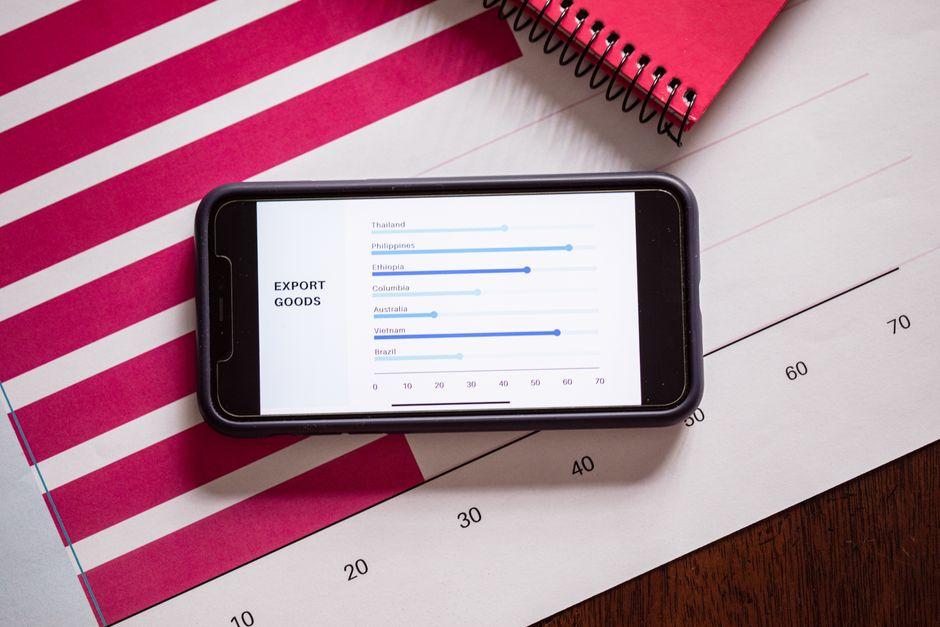
How to Export TradingView Chart Data for Python Analysis
Exporting TradingView chart data into Python opens a path to rigorous backtesting and research. This guide walks you through manual downloads, Pine Script extraction, and real‑time streaming, with concrete examples and risk‑aware tips.

TradingView Pine Script Backtesting: Stop Repainting Errors
Repainting indicators can inflate backtest results and wreck live performance. This hands‑on guide walks you through the mechanics that cause repainting in TradingView Pine scripts and shows how to code robust strategies that survive real‑time…
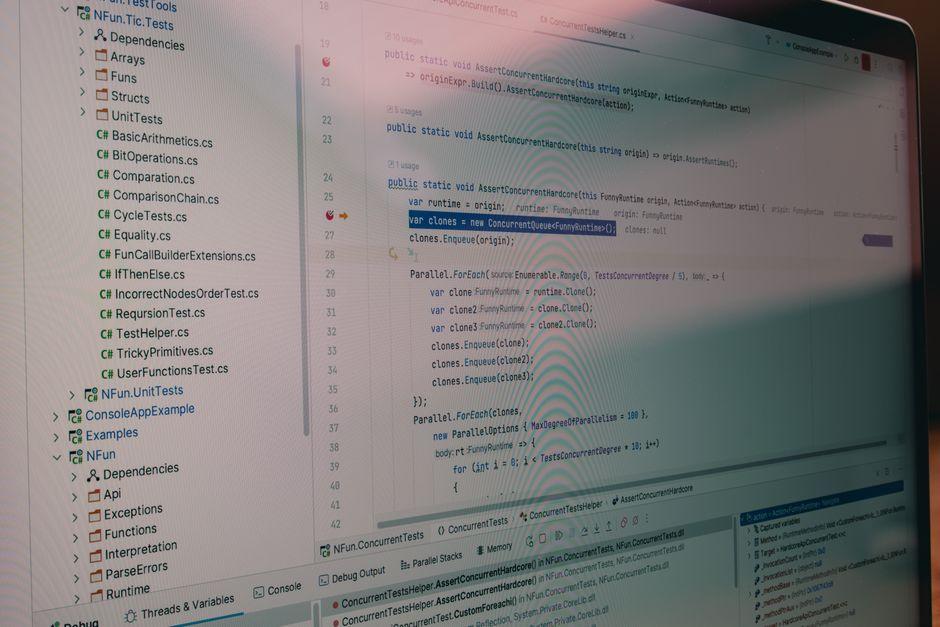
Top MQL5 EA Builders: No‑Code Tools for Automated Trading
A hands‑on comparison of the leading no‑code MQL5 EA builders shows how traders can create, test, and run profitable bots without touching a single line of code, while keeping risk controls front and centre.

How to Import High‑Quality Tick Data into MT5 – Step‑by‑Step
Importing clean tick data into MetaTrader 5 can eliminate back‑testing bias that many traders overlook. This step‑by‑step guide shows how to convert, align, and compress tick streams for reliable strategy evaluation.

how use Pine Script Strategy Builder for Risk Management
The Pine Script Strategy Builder can do more than back‑test ideas; it can enforce strict risk rules on every trade. This guide shows how to embed position sizing, stop‑loss, and drawdown limits directly into your scripts.
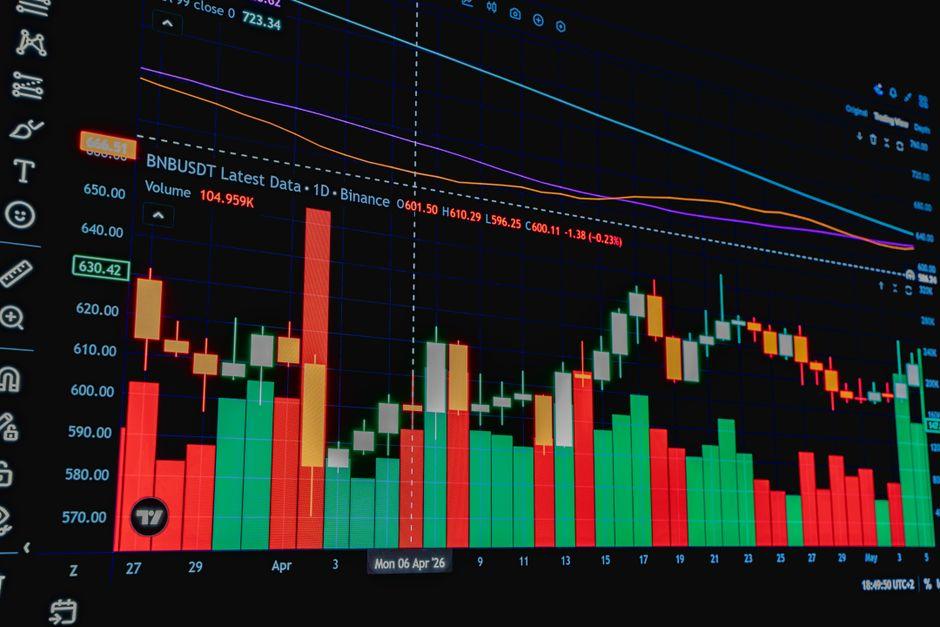
MT5 Strategy Tester vs TradingView Backtester: Accuracy Guide
A data‑driven comparison of MT5’s Strategy Tester and TradingView’s Backtester reveals how tick granularity, slippage modeling, and optimizer depth affect result fidelity. Learn which tool suits your FX or multi‑asset strategy and avoid common…

How to Install and Test Custom MQL5 Expert Advisors
Installing a custom MQL5 expert advisor can be a turning point for a trader, but only if the code is compiled cleanly, back‑tested rigorously, and forward‑tested on a demo. This guide walks you through each stage, from file placement to live deployment,…

Optimize MT5 Backtesting Settings for Speed and Accuracy
A step‑by‑step, data‑driven guide shows how to squeeze every millisecond out of MT5’s Strategy Tester, from tick‑data choices to CPU core allocation, so traders can trust their backtest results and trade with confidence.
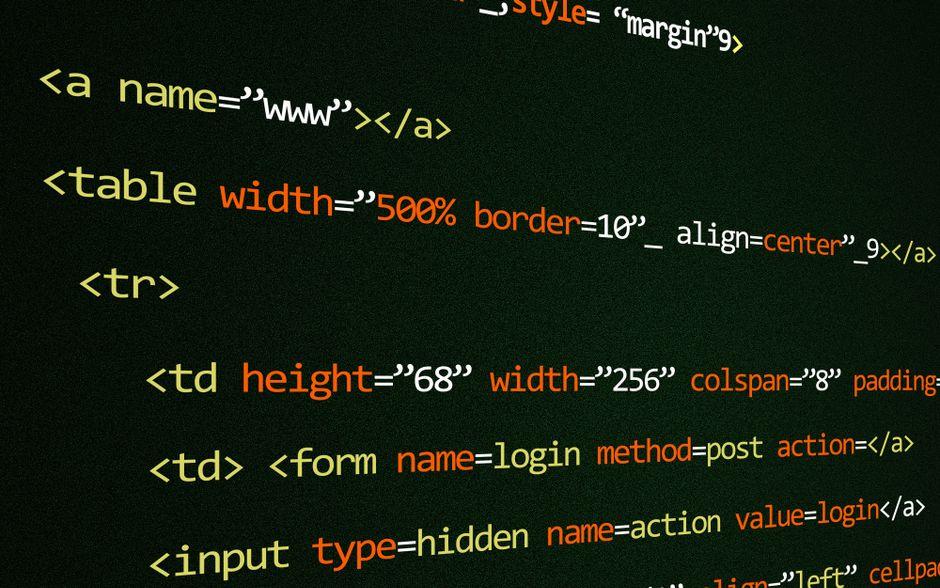
How to Code Custom Pine Script V6 Indicators on TradingView
This hands‑on guide walks you through building a truly custom Pine Script V6 indicator, from declaring the script to testing and deploying it on live charts. Real‑world examples for forex and equities illustrate each step.

How to Backtest Prop Firm Strategies for Drawdown Accurately
Backtesting prop‑firm drawdowns is more than a spreadsheet exercise. This guide walks you through data selection, Monte Carlo stress tests, and walk‑forward validation so you can gauge whether a strategy can survive a firm’s equity‑stop rules.

Ultimate Guide to Quantitative AI Trading for Beginners
This ultimate guide walks beginners through the mechanics of AI‑powered quantitative trading, from data collection and feature engineering to model validation and live‑deployment, while highlighting common pitfalls and risk controls.
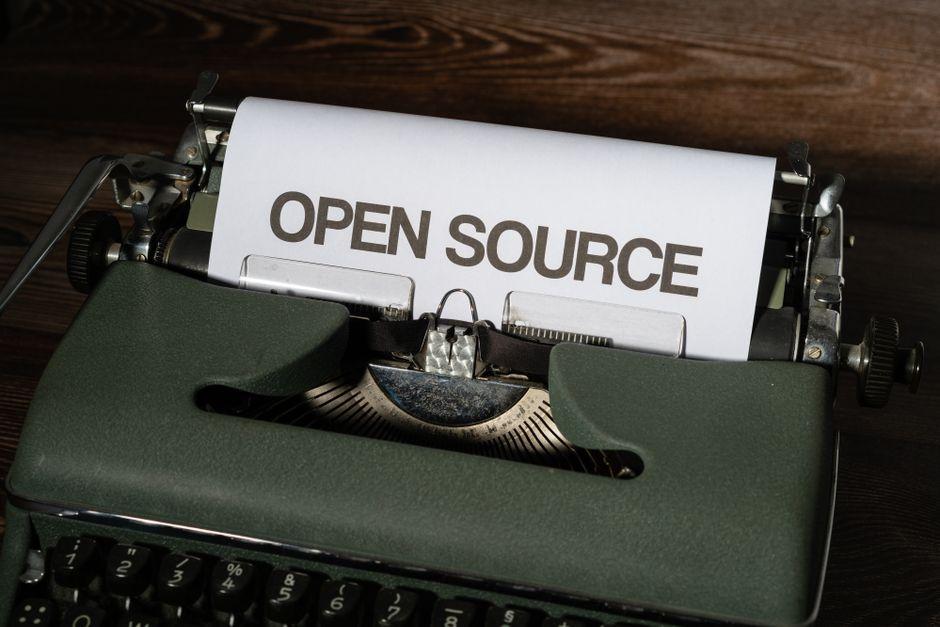
Best Open-Source AI Trading Frameworks for Python Developers
Python developers seeking a cost‑effective edge can compare the leading open‑source AI trading frameworks, understand how each handles data, backtesting, and execution, and avoid common pitfalls that turn promising code into costly mistakes.
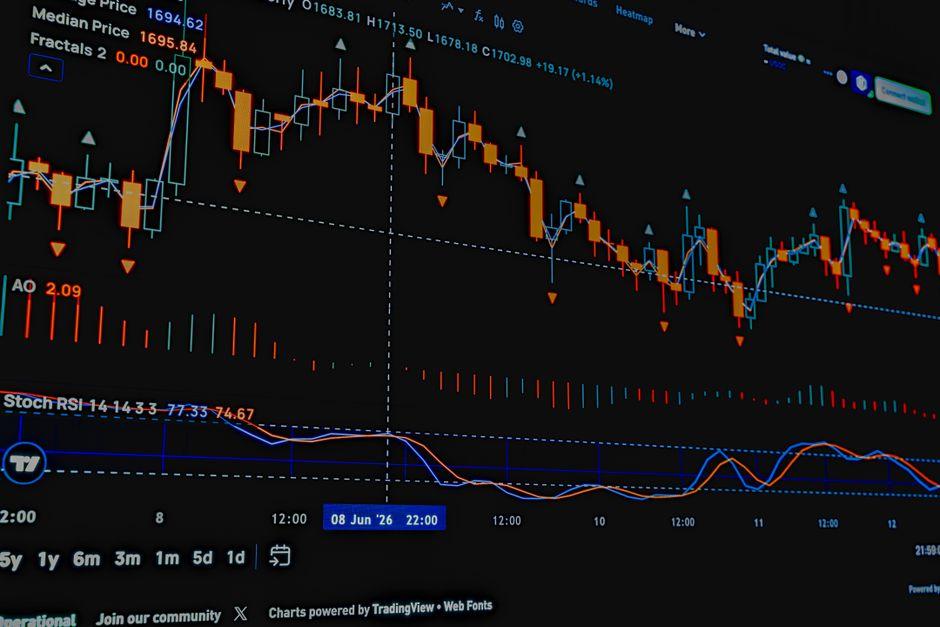
Algorithmic Trend Following: Build a Moving‑Average Crossover
This guide walks you through building a moving‑average crossover system from scratch, covering SMA/EMA mechanics, signal logic, dynamic sizing, and execution safeguards—essential reading for anyone serious about algorithmic trend trading.

How to Backtest AI Trading Strategies Without Overfitting
Overfitting silently erodes AI‑driven models. This guide shows how to backtest rigorously, spot hidden traps, and keep your capital safe.

How Neural Networks Predict S&P 500 Trend Reversals
Neural networks can flag S&P 500 trend reversals days before price moves, but they demand careful data handling and risk controls. This guide explains the models, data inputs, and practical steps to use them responsibly.

Building Automated Grid Bot for High Crypto Volatility
A hands‑on walkthrough shows how to construct a resilient automated grid bot that captures price oscillations in volatile crypto markets, while keeping risk in check.

Top Python Libraries for Algorithmic Trading in 2026
A profit‑focused guide ranks the 2026 Python libraries by performance, integration ease, and ROI potential. From vectorized backtesting to real‑time broker adapters, the article shows how to choose, test, and launch strategies with concrete examples.