
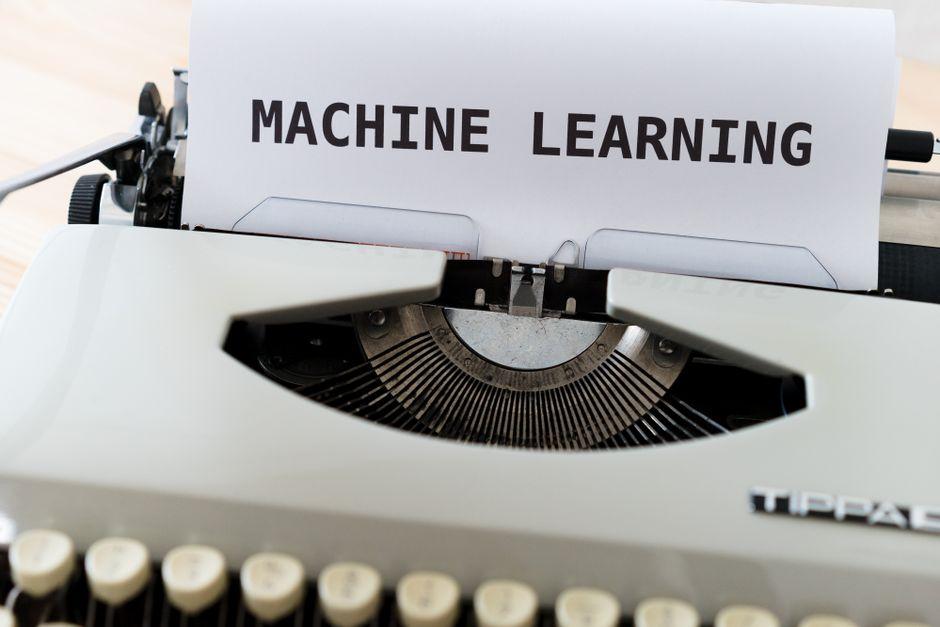
Machine Learning vs Traditional Quant Analysis: Profit Edge

A side‑by‑side look at machine learning and traditional quantitative analysis shows where modern models add value, where they stumble, and how traders can blend the two to improve Sharpe ratios while managing new sources of risk.
Market Analysis Trends 2026: AI and Alternative Data
Traditional technical analysis is losing its edge to predictive modeling. This analysis examines the shift toward alternative data and machine learning in 2026 market forecasting.

AI Analysis Guide for Traders: 2026 Multi-Factor Strategy
An AI analysis guide helps traders convert scattered market signals into a single, rules-based workflow. Here is how multi-factor models, NLP, and regime detection create a real edge in 2026.

How Artificial Intelligence Is Changing Trading in 2026
Strategy 4 reframes artificial intelligence in trading for 2026: transformer sentiment scoring, reinforcement learning agents, and alternative data signals built for serious retail and institutional desks.

Machine Learning for Trading: A Complete Beginner’s Guide
A finance-first walkthrough of how machine learning now drives trading signals and risk models on Wall Street, with concrete examples a beginner can replicate in 2026.
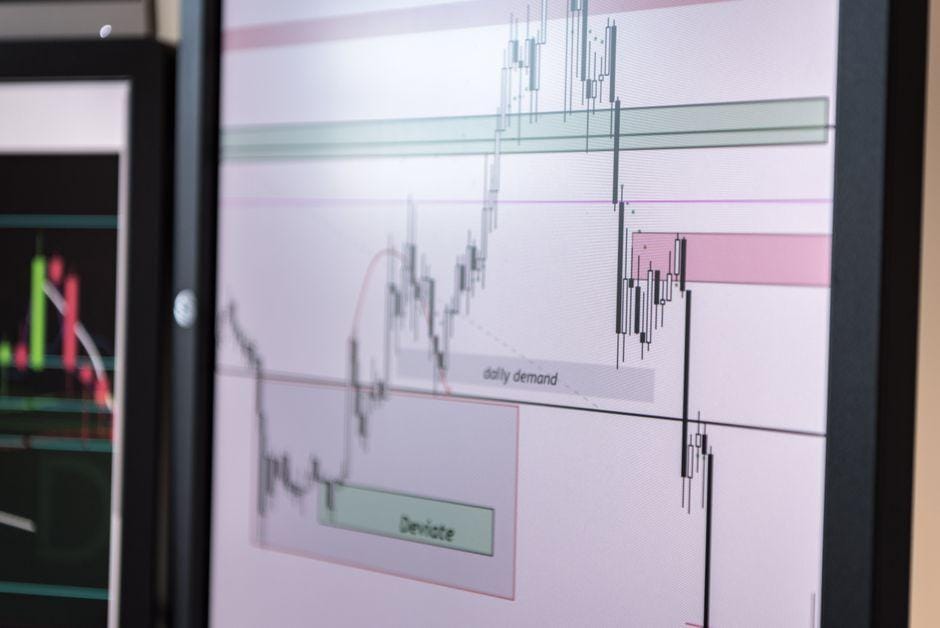
Future of Quantitative Trading: AI Trends Through 2027
Generative AI, alternative data, and fragmented liquidity are quietly rewriting the rules of quantitative trading. Surviving firms will win on data, execution, and risk, not speed alone.

The Future of Technical Analysis: Trends and Predictions
Chart-based analysis is being reshaped by machine learning, alternative data, and retail-grade algorithmic execution. Here is what the next decade of price-action research could look like.

Future of Market Analysis: 5 Trends Reshaping Trading
The future of market analysis blends transformer NLP, satellite feeds, regime models, and order-book analytics. Here is which tools will actually reshape a trader's desk.
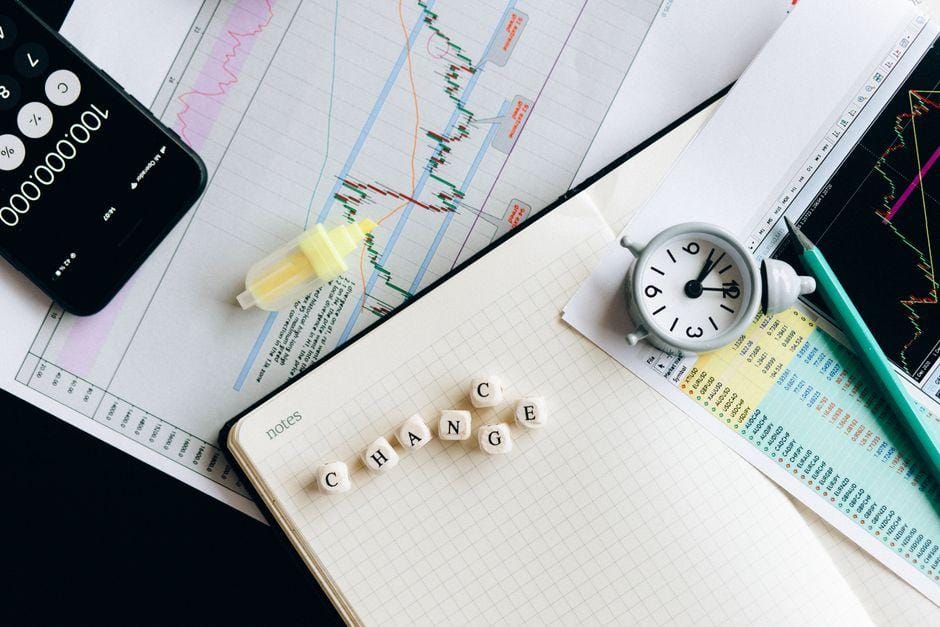
How AI Trading Is Changing Financial Markets
AI trading is rewriting how prices form, who supplies liquidity, and how orders reach the book. This piece breaks down the specific mechanisms that actually move markets today, from sentiment scoring to execution algorithms.